



Houston’s weather is a true test of endurance — for both people and their homes. Between triple-digit heat, thick Gulf Coast humidity, and the threat of hurricanes, your roof takes a daily beating. The wrong material can mean constant repairs, high energy bills, or even storm-related structural damage.
Understanding Houston’s Climate Challenges for Roofs
A Houston roof doesn’t just need to shed rain. It must endure relentless sunlight, hold up under hurricane winds, and breathe through heavy humidity. To perform well, it needs to be resilient, reflective, and well-ventilated.
Extreme Heat and UV Exposure
According to the National Oceanic and Atmospheric Administration (NOAA), Houston averages more than 90 days above 90°F every year. That’s a lot of direct sunlight. Constant UV exposure accelerates the breakdown of shingles, especially asphalt. Over time, they dry out, fade, and lose their waterproofing strength.
Reflective materials — such as metal or cool roof shingles — can lower roof surface temperatures by up to 50°F, improving comfort and reducing energy costs dramatically.
High Humidity and Algae Growth
Houston’s humidity breeds algae, mold, and mildew, which stain and weaken your roof over time. Materials like metal, clay tile, or synthetic roofing resist moisture far better than standard shingles. Equally important: proper attic ventilation. Allowing heat and moisture to escape prevents premature aging and mold inside your home.
Hurricane and Storm Resistance
Houston lies squarely in the hurricane zone. Roofs must be engineered to withstand winds exceeding 130 mph — plus hail and flying debris. Impact-resistant shingles and interlocking metal panels offer the best protection during storm season.
Statistic: NOAA reports Houston experiences 90+ days above 90°F annually and multiple severe storm events every hurricane season — a double dose of wear and tear on every roof.
Best Roofing Materials for Houston’s Climate
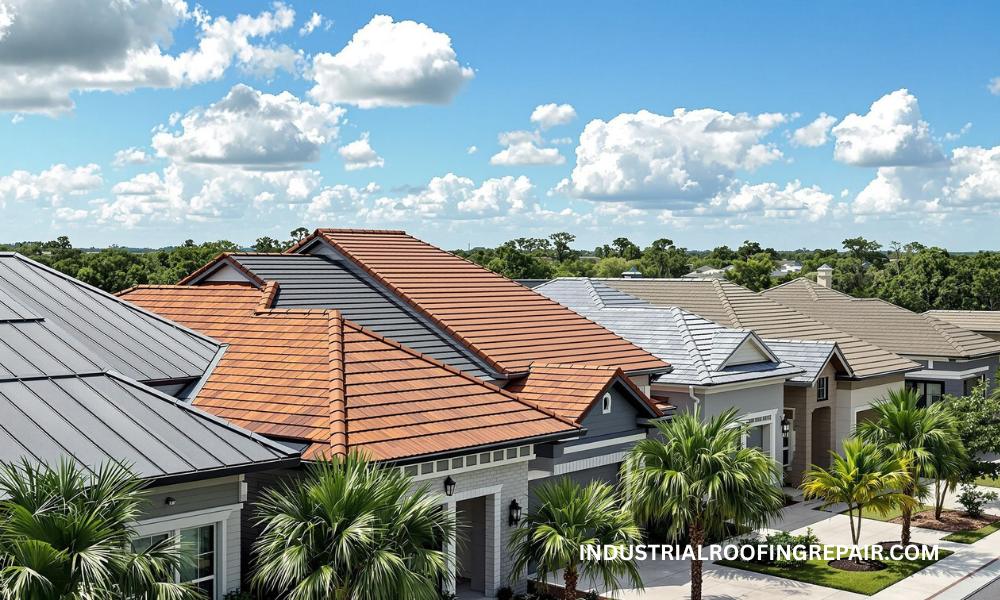
Each roofing material brings its own advantages, costs, and climate performance. Let’s compare how Houston’s top five roofing choices measure up under real-world conditions.
1. Metal Roofing — Durable and Energy-Efficient
Metal roofing is one of Houston’s fastest-growing trends — and for good reason. It’s reflective, long-lasting, and tough enough to handle both summer heat and hurricane winds.
Key Benefits:
- Reflects sunlight, reducing cooling costs by up to 25%
- Lasts 40–70 years with minimal maintenance
- Handles high winds and hail with ease
- Available in styles like standing seam, steel, or aluminum
Pros: Energy-efficient, recyclable, and durable
Cons: Higher upfront cost; can be louder in heavy rain without proper insulation
“For Houston homeowners, metal roofs are one of the best long-term investments due to their heat reflection and wind resistance.”
— Mark Ellis, Certified Roofing Contractor, Houston MetalWorks
2. Cool Roof Shingles — Designed for Texas Heat
If you love the classic look of shingles but need better energy efficiency, cool roof shingles offer a smart middle ground. Their solar-reflective granules help keep your home cooler and extend the roof’s life.
Benefits:
- Reflect sunlight to lower attic and indoor temperatures
- Reduce A/C demand and energy bills
- Affordable and easy to install
Example: CertainTeed and Owens Corning both make ENERGY STAR®-rated cool shingles built for Texas conditions.
3. Clay and Concrete Tile Roofs — Timeless and Resilient
Clay and concrete tiles have long been Houston favorites — especially for Mediterranean or Spanish-style homes. Their dense composition resists heat, moisture, and even fire, making them a top performer in coastal humidity.
Advantages:
- Exceptional heat and moisture resistance
- 50+ year lifespan with low maintenance
- Beautiful, timeless aesthetic appeal
Cons: Heavy — often requires structural reinforcement during installation
Case Study: A homeowner in Houston Heights replaced asphalt shingles with clay tiles. The result? Their attic cooled by 15°F, and their electric bills dropped 18% within a year.
4. Slate Roofing — Luxury and Longevity
For those who never want to re-roof again, slate is the ultimate option. It’s impervious to moisture, rot, and extreme heat — a perfect match for Houston’s extremes.
Features:
- Can last 75–100+ years
- Excellent wind, fire, and impact resistance
- Requires minimal upkeep once installed
Drawbacks: High upfront cost and heavy weight — needs a strong framing system.
Best For: Luxury or historic homes seeking timeless beauty and long-term durability.
5. Synthetic Roofing (Polymer, Composite, or Rubber)
Modern synthetic roofing mimics natural materials like slate, tile, or wood — without the weight or upkeep. Designed for flexibility and heat resistance, it’s a great fit for Houston’s unpredictable weather.
Benefits:
- Resists UV rays, impact, and moisture
- Lightweight yet highly durable
- Eco-friendly and often recyclable
Pros: Affordable, energy-efficient, and weather-tough
Cons: Fewer local installers trained for advanced composite systems
“Composite roofing performs exceptionally well in Houston’s climate — it’s durable, energy-efficient, and often comes with 50-year warranties.”
— Lydia Tran, Owner, Bayou City Roofing Solutions
Energy Efficiency and Cool Roof Technology
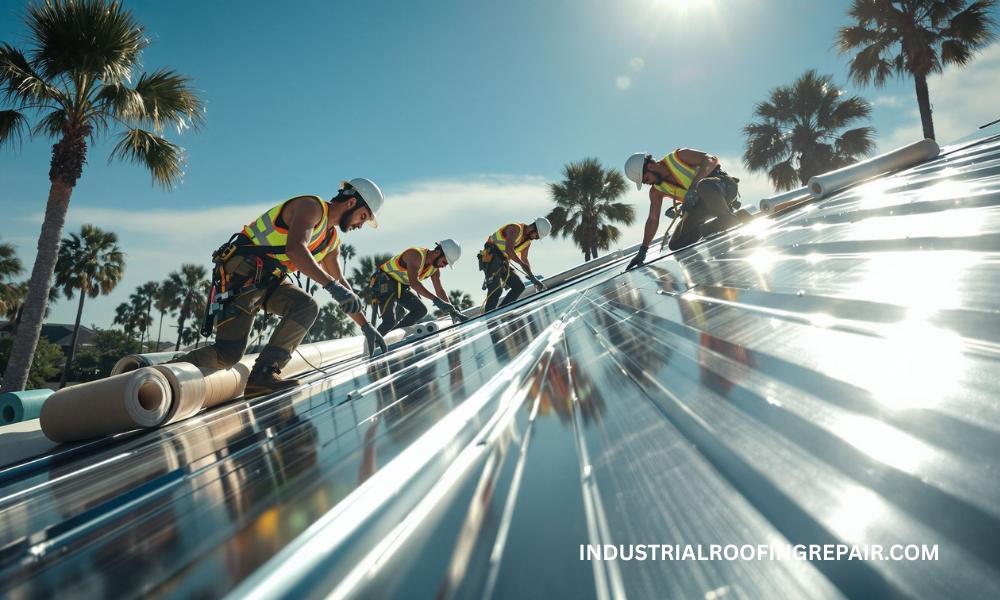
In Houston, air conditioning is a year-round companion. A reflective or cool roof can be your secret weapon for lower energy bills and greater comfort.
Key Insights:
- ENERGY STAR®-certified cool roofs can lower surface temperatures by up to 50°F.
- Pairing a cool roof with attic insulation and ridge vents maximizes comfort.
- Solar-ready systems integrate panels seamlessly while preventing trapped heat.
Statistic: The U.S. Department of Energy reports that cool roofs can reduce air conditioning use by 10–15% annually in hot climates like Houston.
Roof Maintenance Tips for Houston Homeowners
Even the best roofing material needs regular attention to stay in top shape. Here’s how to protect your investment:
- Inspect your roof twice a year — before and after hurricane season.
- Clean gutters regularly to prevent water backup and leaks.
- Trim overhanging branches that can drop debris or cause damage.
- Schedule professional cleanings to remove algae or mold buildup.
- Check attic ventilation to manage humidity and airflow.
Cost Comparison of Roofing Materials in Houston (2025)
| Material | Lifespan | Avg. Cost per sq. ft. | Maintenance Level | Energy Efficiency |
|---|---|---|---|---|
| Asphalt Shingles | 15–20 yrs | $3.50–$5.50 | Moderate | ★★☆☆☆ |
| Metal Roofing | 40–70 yrs | $8–$12 | Low | ★★★★★ |
| Clay Tile | 50+ yrs | $10–$18 | Low | ★★★★☆ |
| Slate | 75–100 yrs | $15–$25 | Very Low | ★★★★☆ |
| Synthetic/Composite | 40–50 yrs | $7–$10 | Low | ★★★★☆ |
Note: While asphalt shingles are the cheapest upfront, metal and composite roofs typically offer better long-term value through lower energy bills and fewer repairs.
FAQs — Roofing Materials in Houston
Q1: What roofing material lasts the longest in Houston?
A: Slate and metal roofs can last 50 years or more, even in Houston’s heat and humidity.
Q2: Are metal roofs noisy during storms?
A: Not if installed with proper insulation and underlayment — the sound level is similar to asphalt shingles.
Q3: Which roof type offers the best energy savings?
A: Metal and cool roof shingles reflect sunlight and lower attic heat, reducing energy use by 10–25% annually.
Q4: Do insurance companies offer discounts for impact-resistant roofs?
A: Yes. Many Texas insurers provide premium discounts for Class 4 impact-rated roofing systems that resist hail and wind damage.
Conclusion
Choosing the best roofing material for Houston’s climate means finding a balance of durability, energy efficiency, and storm resistance. For most homeowners, metal roofs or cool roof shingles offer the best overall performance — keeping homes cooler, quieter, and better protected.
If you prefer premium aesthetics or near-zero maintenance, clay, slate, or synthetic roofing is are excellent alternative. Whatever your choice, the right roof today means decades of comfort, savings, and peace of mind tomorrow.
Next Steps for Houston Homeowners
✅ Schedule a professional roof inspection to assess your current system.
✅ Request multiple quotes comparing materials and installation methods.
✅ Ask about ENERGY STAR® ratings and impact-resistance for insurance savings.
✅ Consider long-term ROI — not just the lowest bid.
✅ Hire a licensed Houston roofing contractor who understands local weather challenges.
In Houston’s climate, the roof over your head isn’t just a feature — it’s your first line of defense. Choose wisely, and it will protect your home for decades to come.
Protect Your Houston Home Today!
- Identify the leak source quickly with expert tools and inspection tips
- Learn how to assess damage and prevent mold growth effectively
- Step-by-step recovery: from drying out to full structural repairs
- Proven strategies to stop future leaks before they start
- Insurance claim tips to help you recover your costs
Schedule a free roof consultation with a certified local contractor to find the best material for your home’s needs and budget.