

industrialroofingrepair@gmail.com

713-280-9604

Houston, TX · Waterproof Roof Coatings

Elastomeric Coating in Houston: The Best Defense Against Heat, Humidity & Storms

Houston's climate punishes building exteriors. Blistering heat, dense humidity, and sudden storms drive cracks, water intrusion, mold, and rising energy bills — fast.

Elastomeric coatings create a flexible, waterproof barrier that stretches and contracts with your building, reflects UV, and cuts cooling costs. The NRCA specifically recommends elastomeric systems for Gulf Coast climates — and Industrial Roofing & Repair has been installing them across Greater Houston for 20+ years, on flat commercial roofs, stucco walls, and everything in between.

  • Acrylic & silicone systems for every Houston substrate
  • Up to 15% cooling cost reduction (DOE / Energy Star data)
Request a Free Quote →
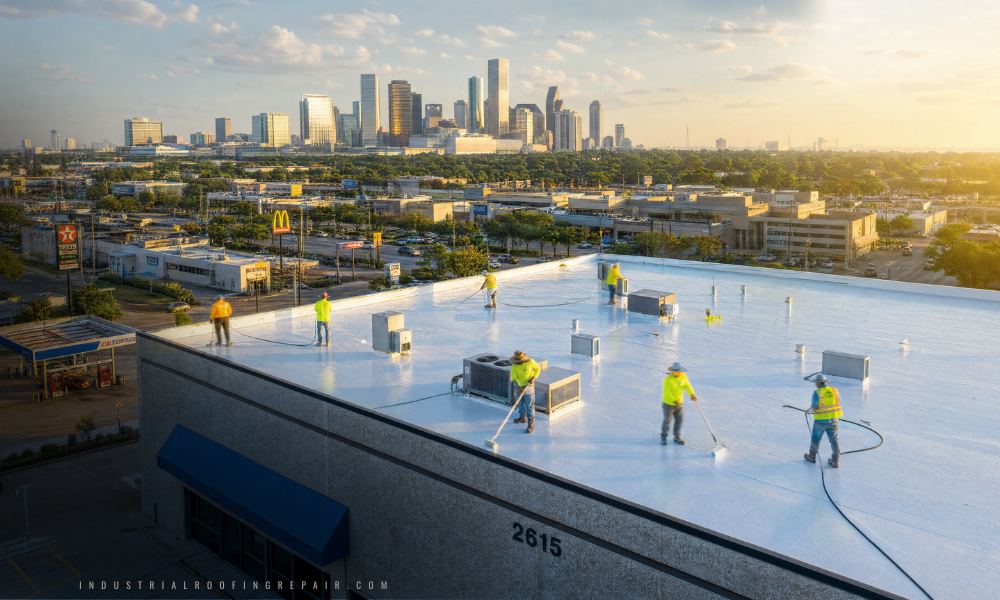
Elastomeric coating applied to a commercial roof in Houston
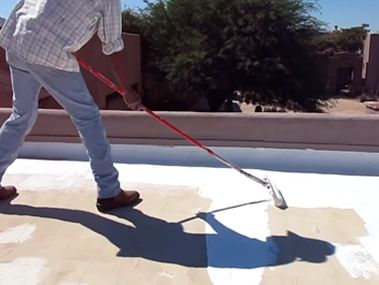
Elastomeric coating membrane detail and application

The Basics

What is elastomeric coating, exactly?

Elastomeric coating is a specialized protective layer applied to roofs and building exteriors, built primarily from acrylic or silicone-based resins. The "elastomeric" part is the key feature: the coating expands and contracts with the substrate underneath, instead of cracking when the surface moves with temperature swings. For Houston — where rooftop temperatures can swing 60°F or more in a single day — that flexibility is the difference between a coating that lasts 12 years and one that fails in 3.

  • Stretches up to 300% without cracking
  • Adapts to substrate expansion & contraction
  • Acrylic (UV resistance) or silicone (water resistance) resin systems

The coating works on a wide range of Houston building surfaces:

  • Flat & low-slope commercial roofs — the most common application, especially on warehouses, retail, and industrial buildings
  • Stucco, brick, and concrete exteriors — common on Houston residential homes, multifamily complexes, and retail facades
  • Multifamily complexes & office buildings — where energy efficiency and substrate longevity drive ROI

The Houston Advantage

Why Houston buildings choose elastomeric coating

Four reasons elastomeric coatings outperform conventional roof and exterior treatments in Houston's climate — and why they're specifically recommended for Gulf Coast applications.

UV & Heat Defense

Reflective formulations bounce solar radiation off the roof surface, lowering rooftop temperatures by 50–80°F on hot days and protecting the substrate below from thermal stress.

Waterproof Membrane

Seamless monolithic application means no joints to fail. Seals hairline cracks, hardens around penetrations, and stops water intrusion at the source — critical in Houston's 50" annual rainfall.

Energy Cost Reduction

Energy Star and U.S. DOE data shows reflective roof coatings can reduce cooling demand by up to 15% — a meaningful line-item drop on Houston commercial and multifamily energy bills.

Substrate Flexibility

Up to 300% elongation capacity means the coating moves with the building during thermal expansion, settling, and storm flex — instead of cracking and failing like rigid coatings.

Research-backed performance, Houston-proven

20+ Years coating Houston buildings
15% Cooling cost reduction (DOE)
300% Substrate elongation capacity
10–15yr Typical coating lifespan

Choosing the Right System

Acrylic vs silicone: which coating fits your building?

Both are excellent for Houston applications, but they shine in different scenarios. Here's how the two stack up — and which one we'd recommend for your specific roof or exterior.

Acrylic Coating

Acrylic

Water-based, UV-stable, and the most cost-effective elastomeric system. Available in white and a range of pigmented colors.

Pros
  • Most affordable elastomeric option
  • Highly reflective — strong UV defense
  • Available in multiple colors
  • Water-based: easy clean-up and recoat
Cons
  • Not ideal where water ponds for 48+ hours
  • Shorter service life than silicone
  • Performance drops in poorly drained flat roofs
Best For High UV exposure, sloped commercial roofs, stucco and masonry exteriors, multifamily applications with good drainage.
Silicone Coating

Silicone

Solvent-based, weather-impervious, and the gold standard for ponding-water environments. Unmatched waterproofing performance.

Pros
  • Superior waterproofing — handles ponding water
  • Longer service life (15+ years common)
  • UV-stable without sacrificing flexibility
  • Excellent on flat & low-slope commercial roofs
Cons
  • Higher upfront material cost
  • Slick surface when wet
  • Harder to recoat without specific primers
Best For Flat commercial roofs, areas with ponding water, warehouses, industrial facilities, buildings requiring maximum service life.

Our Process

How we apply elastomeric coating, the right way

Surface prep is the difference between a coating that lasts 15 years and one that peels in 2. Skip the prep, and even the best material in the world will fail. Here's what proper application looks like, step by step.

  1. Inspection & substrate assessment

    Walk-through to identify cracks, soft spots, drainage issues, ponding zones, and existing coating condition. Determines acrylic vs silicone recommendation.

  2. Pressure washing & cleaning

    Removes dirt, mildew, oils, and chalking from the surface. Without this step, coating adhesion fails — period.

  3. Crack & joint repair

    Hairline cracks get sealed, larger separations get patched, and all expansion joints get treated with compatible sealants before any coating goes down.

  4. Priming where required

    Some substrates — aged metal, chalky concrete, certain membrane materials — need a bonding primer for proper coating adhesion and longevity.

  5. Coating application & cure

    Acrylic or silicone applied in manufacturer-spec coats with adequate dry time between layers. Final cure window respected before returning to full service.

Industrial Roofing Repair crew applying elastomeric coating in Houston

Credentials

Licensed, insured, and Gulf Coast coating specialists

Elastomeric coating done right is a specialty — not a side service. We're the local team that's been applying acrylic and silicone systems across Houston commercial, industrial, and residential buildings for over two decades, with manufacturer relationships, proper prep protocols, and the kind of warranty backing that holds up after the next hurricane season.

  • Licensed & insured contractors
  • Acrylic & silicone certified applicators
  • Manufacturer-backed material warranties
  • OSHA-compliant safety protocols
  • Substrate-specific prep expertise
  • Workmanship warranty on every application

Ready to extend your roof's life?

Free on-site assessment. Acrylic-vs-silicone recommendation in writing.

Request a Free Quote →

FAQs

Elastomeric coating questions, answered

What Houston property owners and facility managers most often ask before committing to an elastomeric application.

What is elastomeric coating?

Elastomeric coating is a waterproof, flexible, and durable acrylic- or silicone-based material applied to building exteriors or roofs. The defining characteristic is its ability to stretch up to 300% without cracking — which means it moves with the building during temperature swings, structural settling, and storm flex. In Houston's climate (massive thermal cycles, humidity, hurricane season), that flexibility is what separates a 15-year coating from a 3-year failure.

How long does elastomeric coating last in Houston's climate?

Quality acrylic systems typically last 10–12 years in Houston with professional installation. Silicone systems regularly hit 15+ years and can be recoated to extend life further. Real-world lifespan depends heavily on surface prep, application thickness, drainage quality, and routine inspection. A coating applied to a properly prepped substrate with adequate mil-thickness will outperform manufacturer spec; one applied over dirty or damaged substrate will fail well short of it.

Can I apply elastomeric coating myself in Houston?

For small patches and touch-ups on residential exteriors — yes, with the right surface prep. For full roof or large-area applications, professional installation is strongly recommended. The reasons: surface prep determines coating longevity (90% of failures trace back to inadequate cleaning or crack repair), Houston humidity affects cure times in ways DIY guides don't address, and mil-thickness measurement requires the right tools. A DIY job that fails in 18 months costs more than a professional one that lasts 12 years.

Does elastomeric coating actually reduce energy bills?

Yes — measurably. Reflective elastomeric coatings (especially white acrylic and high-reflectance silicone) can reduce rooftop temperatures by 50–80°F on hot days, which translates directly to lower HVAC cooling demand. U.S. DOE and Energy Star data show up to 15% reduction in cooling-related energy use after a reflective coating application. On a Houston commercial building running summer cooling loads, that's a real line-item drop in operating expenses, often paying back the coating cost within 5–7 years on energy savings alone.

Is elastomeric coating safe to use on stucco or brick homes?

Absolutely — elastomeric coatings are ideal for masonry exteriors. They seal hairline cracks (which stucco and brick develop naturally over time), prevent water intrusion at mortar joints, and flex with the building to prevent new cracks from forming. Acrylic elastomerics in particular are widely used on Houston residential stucco, brick veneer, and concrete block facades. Surface prep matters even more on masonry than on roofs — chalking, efflorescence, and mildew all need to be addressed before coating.

The cheapest roof repair is the one you never have to do

Elastomeric coating extends roof life, drops cooling bills, and seals out the Houston weather that destroys uncoated substrates. Get an honest assessment and a recommendation built around your building, not a sales script.

Request a Free Quote →
Previous Next
Close
Test Caption
Test Description goes like this