

industrialroofingrepair@gmail.com

713-280-9604

Home Blog

How to Choose a Reliable Roofing Contractor in Houston

0
Homeowner talks with a roofing contractor about roof repair and costs

Your roof isn’t just a cover over your head—it’s your home’s first line of defense against Houston’s fierce sun, heavy rains, and sudden Gulf Coast storms. Choosing the right roofing contractor in Houston can make the difference between decades of protection and costly repairs only a few years down the line.

Unfortunately, many homeowners learn this lesson too late. Unlicensed or inexperienced roofers can leave behind poor workmanship, safety risks, and water damage that insurance may not cover. In this guide, you’ll learn exactly how to choose a trustworthy Houston roofing contractor—what to ask, which credentials matter most, and how to spot red flags before you sign anything.

Why Hiring the Right Roofing Contractor in Houston Matters
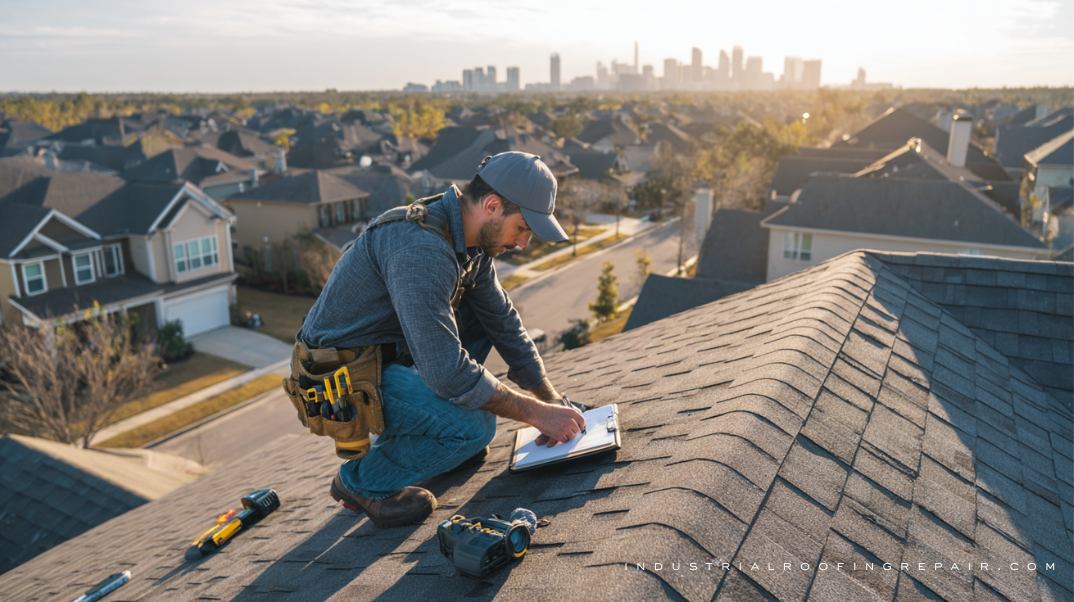
A roofing contractor inspecting a suburban Houston home in the summer

Houston’s climate can be tough on roofs. Between intense summer heat, humidity, hail, and hurricane-force winds, even one small installation mistake can shorten your roof’s life or cause leaks and mold. A qualified contractor understands how to work with local conditions, materials, and codes to keep your home secure and energy-efficient.

In short: hiring the right roofer isn’t just about price—it’s about peace of mind, safety, and long-term savings.

According to the Better Business Bureau (BBB), roofing ranks among the top five industries for consumer complaints in Texas. The main reason? Unqualified or fraudulent contractors. A little research upfront can save you thousands later.

Key Questions to Ask Before Hiring a Houston Roofing Contractor

Before you agree to any work, ask these five questions to ensure you’re hiring someone experienced, insured, and reputable.

1. Are You Licensed and Insured?

Texas doesn’t require a state roofing license, so it’s up to you to verify a contractor’s legitimacy. Always ask for proof of general liability and workers’ compensation insurance. This protects you if an accident happens during the job. Any reliable Houston roofer will share these documents right away—no hesitation, no excuses.

2. What Experience Do You Have With Houston Roofs?

Experience with local weather is key. Houston’s humidity, storms, and heat create unique roofing challenges. Ask for photos, references, or examples of completed projects in your area. The best roofers proudly share their work and may even point you to a home nearby so you can see their craftsmanship for yourself.

3. What Roofing Materials Do You Recommend and Why?

Not all materials hold up equally in Houston’s environment. Here’s a quick look at common options:

Roofing Material Lifespan Energy Efficiency Ideal For Cost Range (per sq. ft.)
Asphalt Shingles 15–25 years Moderate Most homes $3.50–$5.50
Metal Roofing 40–50 years High (reflective) Hot, storm-prone areas $8–$12
Clay or Concrete Tile 50+ years Excellent Premium homes $10–$15

Ask your contractor why they recommend one material over another—whether it’s for heat reflection, durability, or storm resistance. The best answers focus on performance, not just price.

4. Can You Provide a Written Estimate and Timeline?

Transparency is a non-negotiable. A reliable Houston roofer provides a detailed written estimate covering materials, labor, cleanup, and warranty terms. Avoid anyone who offers only a verbal quote. That’s often a red flag for hidden fees or unfinished work. Your estimate should also include a clear start and completion date.

5. What Warranties Do You Offer?

Top roofing contractors back their work with two warranties:

Workmanship Warranty: Covers the installation (usually 5–10 years).
Manufacturer Warranty: Covers the materials (typically 20–50 years).

Roofers certified by manufacturers like GAF, CertainTeed, or Owens Corning often offer enhanced warranties that uncertified installers can’t.

Credentials Every Reliable Houston Roofer Should Have

Before signing a contract, take a moment to verify your contractor’s credentials. These show training, professionalism, and accountability.


Certifications and Affiliations

Look for manufacturer-backed certifications that reflect top-tier standards:

  • GAF Master Elite®: Top 2% of roofers nationwide; extended warranty protection.
  • CertainTeed SELECT ShingleMaster™: Recognized for superior installation and customer satisfaction.
  • Owens Corning Preferred Contractor™: Indicates proven craftsmanship and financial stability.

Local Permits and Code Compliance

A reputable roofer knows the permitting process for your area—whether you’re in Houston, Sugar Land, The Woodlands, or Harris County. Never trust a contractor who suggests skipping permits “to save time.” That shortcut can lead to fines or failed inspections.

Reputation and Online Presence

Do a quick online check before you hire. Read reviews on Google, Yelp, and the BBB. Look for consistency—steady 4–5 star ratings, clear communication, and responsiveness to feedback.

Real Story: One Houston homeowner nearly hired a roofer offering a deep discount. After checking credentials, they discovered multiple unresolved BBB complaints. Choosing a BBB-accredited company instead saved them a $12,000 re-roofing mistake.

Red Flags to Watch Out For

Roofing scams often spike after storms. Stay alert for these warning signs:

  • High-pressure tactics like “sign today for a discount.”
  • No physical office or local address.
  • Requesting full payment up front.
  • No written contract or vague warranty terms.

For more on avoiding scams, visit the Federal Trade Commission or the Texas Attorney General’s Office.

How to Compare Roofing Quotes in Houston

When reviewing quotes, don’t just look at the total. Compare what’s actually included: material quality, labor, cleanup, and warranty terms. A slightly higher quote may offer far more value—and fewer headaches later.

Pro Tip: Create a simple side-by-side checklist to compare each roofer’s experience, communication, transparency, and warranty coverage. The best Houston roofing contractor will stand out for all the right reasons.

FAQs About Hiring a Houston Roofing Contractor

How much does a new roof cost in Houston?
Most Houston homeowners spend between $7,000 and $14,000, depending on size, materials, and labor.

How can I verify a roofer’s credentials in Texas?
Check their membership with the Roofing Contractors Association of Texas (RCAT), confirm BBB ratings, and verify insurance directly with the provider.

Do Houston roofers offer emergency repair services?
Yes, many do—especially during storm season. Look for contractors with 24/7 response options.

How long does a Houston roof last?
Asphalt shingles last around 15–25 years, while metal or tile roofs can last up to 50 years with proper care.

Conclusion: Invest Wisely in Your Roof

Choosing a reliable roofing contractor in Houston is one of the smartest investments you can make for your home’s safety and value. The best roofers are insured, locally experienced, and transparent in their work. They don’t rush you—they educate you.

Quick Takeaway: Ask smart questions, check credentials, and trust your instincts. The right Houston roofing contractor will protect your home—and your peace of mind—for decades to come.

Next Steps

Ready to get started? Here’s a quick checklist to guide you:

  1. Gather 3–5 local quotes from reputable, insured roofers.
  2. Verify certifications with GAF, RCAT, or Owens Corning.
  3. Check reviews and BBB ratings for consistent feedback.
  4. Request a written estimate and timeline before signing.
  5. Confirm both material and workmanship warranty coverage.


Get Three Free Quotes From Certified Houston Roofing Contractors Today and Find the Best Value for Your Home or Business.

  • Identify the leak source quickly with expert tools and inspection tips
  • Learn how to assess damage and prevent mold growth effectively
  • Step-by-step recovery: from drying out to full structural repairs
  • Proven strategies to stop future leaks before they start
  • Insurance claim tips to help you recover your costs

Ready to Protect Your Home With a Trusted Professional? Compare Quotes From the Best Houston Roofing Contractors Today.
Contact Us Now-FREE Inspection!

Navigating Roof Insurance Claims & Warranties in Houston

0
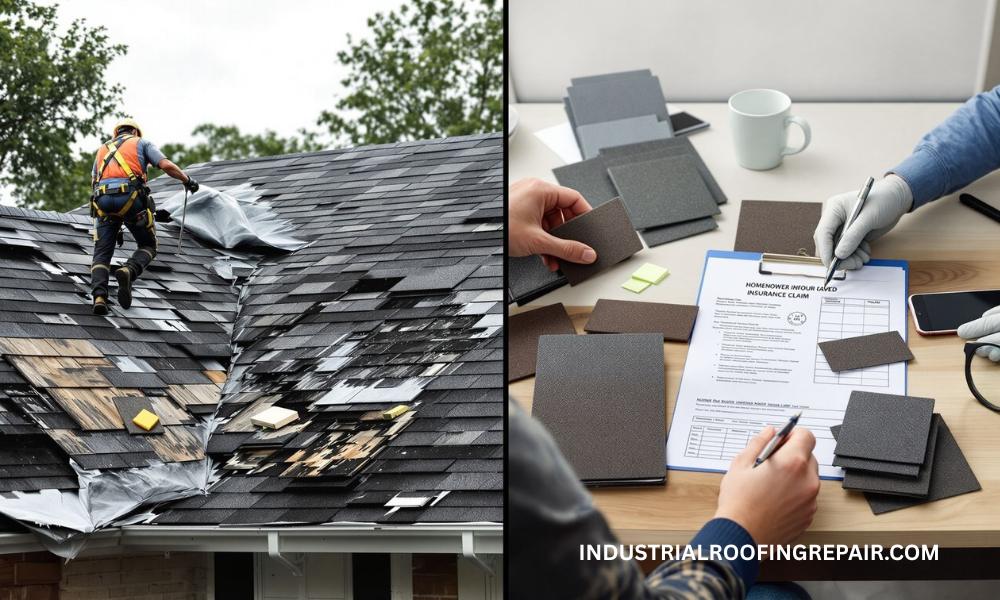
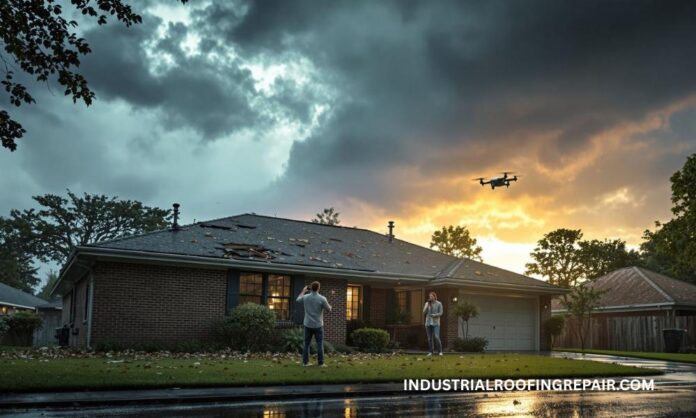
Houston homeowner taking photos and drone footage of roof damage after hail and wind storm

Houston’s weather can change your life in a day—hail one afternoon, a hurricane the next. When your roof is damaged, knowing how insurance and warranties work isn’t optional; it’s essential. This guide gives you clear, practical steps for filing claims, protecting warranty rights, avoiding common pitfalls, and working with contractors and insurers so you get a fair outcome.

Below is a quick roadmap of what this article covers: how to file a claim in Houston, what warranties cover (and don’t), pitfalls that cause denials or low payouts, and how to work with both insurers and roofers to protect your home.

Quick answer: What should I know right now?

Insurers usually cover sudden storm damage (wind, hail, falling debris). They don’t cover age-related wear or neglect. Document everything with dated photos, get a licensed roofer’s report, and never accept the first settlement without review.

Understanding Roof Insurance Coverage in Houston

What insurance typically covers

Most Houston homeowner policies cover roof damage caused by sudden, weather-related events: hailstorms, windstorms, hurricane damage, and falling tree limbs during storms. They generally do not cover long-term wear-and-tear, deferred maintenance, or problems that existed before the storm.


Two common payout methods — know which one you have

Coverage Type What It Means What You Receive
Actual Cash Value (ACV) Accounts for depreciation Replacement cost minus depreciation for age/wear
Replacement Cost Value (RCV) Covers full replacement cost Pays full replacement cost (less deductible), often after the initial depreciation holdback is settled

Knowing ACV vs. RCV can change your settlement by thousands. Check your policy now—before a claim is needed.

Texas rules and tips that matter

The Texas Department of Insurance (TDI) regulates claim handling and dispute resolution. A few important local realities:

Contractors cannot legally waive your deductible under Texas law—beware “free roof” deals that promise otherwise. Also, the state provides resources for disputes with insurers; keep those channels in mind if you hit a roadblock.

Step-by-Step: How to File a Roof Insurance Claim in Houston

Step 1 — Document everything immediately

As soon as it’s safe, take dated photos and video of the roof, gutters, yard, and any interior water damage. Capture wide-angle shots for context and close-ups for detail. These images are your strongest evidence.

Step 2 — Notify your insurer

Houston roofing contractor and insurance adjuster reviewing roof damage together during insurance claim inspection

Report the damage quickly—most companies expect prompt notice (many recommend within 30 days). You’ll be assigned an adjuster who inspects and estimates damages. Be present for the inspection and, if possible, have your roofing contractor attend to discuss findings directly with the adjuster.

Step 3 — Work with a licensed local roofer

Choose a licensed, insured roofing contractor who understands Houston storms and insurance procedures. A reputable roofer will:

— perform a thorough inspection;
— provide a detailed, dated report and estimate; and
— Communicate with your adjuster if needed.

Avoid out-of-town “storm chasers” and contractors who pressure you into quick signings the moment a storm passes.


Step 4 — Review and negotiate the insurance estimate

Insurer estimates sometimes understate damage. If you disagree, present supporting evidence: contractor reports, drone footage, or infrared scans. You can appeal and request a reinspection or an appraisal if necessary.

Case example

After a 2023 hailstorm in Cypress, a homeowner got an initial low payout. They provided drone footage plus a roofer’s damage report, and the insurer raised the settlement by 40%.

Warranties vs. Insurance — what’s the difference?

Split scene showing storm repair under insurance claim and contractor checking roof materials under warranty coverage in Houston

Put simply, insurance covers external, sudden events. Warranties cover materials or workmanship problems.

Warranty Type What It Covers Who Issues It
Manufacturer Warranty Defects in shingles, underlayment, or other materials Product manufacturer (often 20–50 years)
Workmanship Warranty Installation quality and labor-related issues Your roofing contractor (commonly 1–10 years)

Use insurance for storm-caused replacement. Use warranties when manufacturing defects or poor installation cause problems. Maintain records and follow maintenance requirements—failure to do so can void warranties.

Houston climate and warranty validity

Houston’s heat, humidity, and storm frequency accelerate wear. Warranties often require routine maintenance—annual inspections, cleaned gutters, and timely minor repairs—so keep a log of service visits and receipts to protect your warranty rights.

Common pitfalls that lead to denied or underpaid claims

Most denials or low payouts happen for simple, avoidable reasons:

— missing pre-storm documentation (insurers may claim damage was preexisting);
— hiring an unlicensed or unreliable contractor (which can invalidate workmanship warranties);
— accepting the insurer’s first offer without review; or
— failing to report damage promptly.

Take a little extra time up front. It can save thousands later.

How to choose the right Houston roofing contractor

Look for these red flags and green lights:

Green lights: Valid Texas license, insurance, local references, BBB rating, clear contract with warranties, experience handling insurance claims.

Red flags: Pressure to sign immediately, offers to waive deductibles, no physical local address, poor reviews, or lack of proof for licensing/insurance.

Frequently Asked Questions

Q1: What is a roof insurance claim?

Short answer: A formal request to your insurer to pay for roof repairs or replacement after covered damage.

How it works: You report the damage, an adjuster inspects, and the insurer issues an estimate. If covered, you get a payout according to your policy’s terms (ACV or RCV), minus your deductible.

Q2: How long does a roof insurance claim take in Houston?

Short answer: Typical claims resolve in 30–60 days, but timelines lengthen after major storms.

Factors that affect timing: Adjuster availability, need for supplemental inspections, contractor scheduling, and disputes or appeals.

Q3: Can I choose my own roofing contractor?

Short answer: Yes—insurers can recommend contractors, but you’re free to hire any licensed professional you trust.

Tip: Use a local, licensed roofer experienced with insurance claims to help document damage and communicate with adjusters.

Q4: Does homeowner’s insurance cover roof leaks?

Short answer: Sometimes—only if the leak was caused by a covered sudden event (like wind or hail), not by long-term neglect.

Proof matters: Photos, maintenance records, and a contractor’s inspection help demonstrate the cause and strengthen your claim.

Q5: Will filing a claim raise my insurance premium?

Short answer: It can, especially if you file multiple claims in a short period. Ask your agent how claims affect your rates and whether a single claim is worth it compared to out-of-pocket repair.

Practical next steps for Houston homeowners

1. Review your policy now—confirm ACV vs. RCV, deductibles, and any exclusions.
2. Photograph and document your roof’s current condition annually.
3. Schedule a professional inspection before hurricane season.
4. Keep digital records of estimates, invoices, and correspondence.
5. Verify any contractor’s license and ask about workmanship warranties.

Final word

Facing roof damage is stressful, but preparation and knowledge put you in control. Know your policy, document thoroughly, hire a reputable local roofer, and don’t accept the first offer without review. With those steps, you’ll maximize your chance of a fair settlement and maintain warranty protection for years to come.

Need expert help with your Houston roof insurance claim?

  • Identify the leak source quickly with expert tools and inspection tips
  • Learn how to assess damage and prevent mold growth effectively
  • Step-by-step recovery: from drying out to full structural repairs
  • Proven strategies to stop future leaks before they start
  • Insurance claim tips to help you recover your costs

Contact a certified local roofing specialist today for a free inspection and claim consultation.

Contact Us Now-FREE Inspection!

How to Prevent Roof Damage in Houston’s Extreme Weather

0
Elegant Houston suburban home with roof that has been subjected to extremes of weather

Houston’s weather doesn’t play nice with roofs. From the blistering summer sun to sudden hailstorms and hurricanes, local homes take a beating year after year. The good news? With the right care and a little foresight, most roof damage can be prevented before it becomes expensive.

This guide breaks down exactly how Houston’s extreme climate affects your roof, what signs to watch for, and what steps you can take today to protect your home. Whether you’re new to the city or a longtime Houstonian, understanding your roof’s vulnerabilities is the first step toward keeping it safe and strong.

Why Houston Roofs Are at Risk

Houston’s Diverse and Extreme Climate

Houston’s Gulf Coast location puts it right in the path of some of the country’s most unpredictable weather. Each season brings a new test:

Hot, humid summers: Temperatures regularly top 95°F, causing shingles to dry out and crack under relentless UV rays.

Heavy rain and hurricanes: From June through November, the city can see over 50 inches of rain, pushing drainage systems to their limits.

Hail and high winds: Spring and fall storms can rip, dent, or fracture roofing materials in seconds.

In short, heat, humidity, and severe storms accelerate wear on every type of roofing material — even newer ones. Without consistent upkeep, small issues can quickly spiral into leaks, rot, and even full roof failure.

How Houston Weather Impacts Roofing Materials

Different weather events cause different types of roof stress:

UV rays: Break down shingles, causing cracks and loss of granules that reduce waterproofing.

Heat and humidity: Expand materials and weaken the adhesives that keep layers sealed.

Hail: Dents metal roofs and fractures tiles, exposing the underlayment to moisture.

High winds: Lift shingles and flashing — often the starting point for leaks during hurricanes.

Understanding these effects helps you choose smarter materials and spot early warning signs before they lead to bigger problems.

Common Types of Roof Weather Damage in Houston

1. Wind Damage

Strong winds, especially during hurricanes, can tear or lift shingles and ridge caps, leaving your roof’s underlayment exposed to rain and debris.

Look for: Missing shingles, lifted flashing, or rippled shingle lines. After any big storm, inspect your roof safely from the ground for uneven patterns or loose granules.

2. Hail Damage

Even small hail can bruise shingles or crack tiles, weakening your roof over time.

Watch for: Dented metal, dimpled shingles, or missing granules. Document everything with photos — it’s vital for insurance claims.

3. Rain and Water Intrusion

Houston’s heavy downpours can overwhelm gutters and drainage systems. When water can’t flow off the roof properly, it finds its way in.

Warning signs: Ceiling stains, musty odors, or attic mold. Check gutters and roof valleys often — especially before hurricane season.

4. Heat and UV Damage

Constant exposure to sun and heat causes shingles to fade, curl, and lose flexibility.

Pro tip: Reflective roof coatings can lower surface temperature by up to 40°F and extend roof life by 20% or more.

Preventing Weather-Related Roof Damage

Prevention is your roof’s best defense. Regular inspections, smart upgrades, and a few seasonal habits can go a long way toward keeping your home storm-ready.

1. Schedule Regular Roof Inspections

Have your roof professionally inspected twice a year — ideally before and after hurricane season. Early detection means easier, cheaper fixes.

Today’s inspectors often use drones and infrared scanning to detect hidden issues without ever stepping on the roof.

2. Maintain Roof Drainage

Standing water is a silent killer of roofs. Clean gutters, clear drains, and consider installing gutter guards to prevent clogs. Good drainage keeps leaks — and mold — at bay.

3. Reinforce Roof Structures

Small upgrades can make a huge difference during storms. Choose Class 4 impact-resistant shingles, hurricane straps, and reinforced flashing. Together, they can cut storm damage by up to 40%.

4. Apply Protective Coatings

Elastomeric or reflective coatings protect against UV rays, seal small cracks, and reduce heat absorption. Even aging roofs can gain 5–10 extra years with a quality coating.

5. Trim Nearby Trees

During storm season, overhanging limbs are a major risk. Trim branches 6–10 feet from your roof and remove debris after every major storm.

Key Insights & Research

National Weather Service: Houston averages over 100 thunderstorm days per year — among the highest in the U.S.

Insurance Institute for Business & Home Safety: Roof issues account for 70% of hurricane-related homeowner claims in Texas.

Texas Department of Insurance: Consistent maintenance can reduce roof claim costs by 25–40% over a roof’s lifespan.

Expert Insight

“In Houston, your roof isn’t just protecting your home from rain — it’s shielding you from months of heat, wind, and humidity.”
Sarah Delgado, Certified Roofing Inspector

“Most roof failures during storms come from preventable issues like unsecured flashing or old sealant.”
Mark Jensen, Texas Roofing Contractors Association

Real-Life Example: How One Houston Roof Survived Hurricane Beryl

Before the 2024 hurricane season, a Cypress homeowner upgraded to impact-resistant shingles and added a UV-protective coating. When Hurricane Beryl struck later that year, neighboring homes lost shingles and suffered leaks — but theirs had only minor edge wear and no water intrusion.

Estimated savings: Over $12,000 in potential repairs avoided — plus priceless peace of mind.

Recognizing Early Warning Signs

Catch small problems before they grow:

Outside: Missing, cracked, or curling shingles, lifted flashing, or debris buildup in gutters.

Inside: Water stains, musty smells, or visible mold in the attic.

Safety Tip: Use binoculars or a drone after storms — never climb onto a wet or unstable roof.

Insurance and Roof Damage Claims

How to File a Roof Damage Claim

1. Take clear photos immediately after a storm.
2. Contact your insurance provider right away.
3. Get a certified inspection and detailed report.
4. Save all repair receipts and invoices.

Understanding Your Coverage

Most Houston policies cover wind, hail, and hurricane damage — but not normal wear or neglect. Review your policy annually and consider supplemental windstorm or flood insurance if you’re near the coast.

Frequently Asked Questions

Q1: How often should I inspect my roof in Houston?
A: Twice a year — before and after hurricane season — and after any major storm or hail event.

Q2: What roofing materials work best for Houston’s climate?
A: Impact-resistant shingles, metal roofing, and reflective coatings perform best in heat and humidity.

Q3: How can I tell if hail damaged my roof?
A: Look for dents, missing granules, or cracked shingles. Since damage isn’t always visible, get a professional inspection to be sure.

Q4: Does homeowner’s insurance cover hurricane roof damage?
A: Usually yes, but deductibles and exclusions vary. Check your policy or contact the Texas Windstorm Insurance Association (TWIA) for details.

Conclusion

Houston’s combination of heat, humidity, and severe storms makes roof maintenance a year-round priority. A few preventive steps — regular inspections, clean gutters, and durable materials — can save you thousands in repairs and years of worry.

Quick Takeaway: Your roof doesn’t just cover your home — it shields your peace of mind. Keep it storm-ready, and it will protect you season after season.

Next Steps

✔ Schedule a professional roof inspection before hurricane season.
✔ Clean gutters and trim nearby trees.
✔ Upgrade to impact-resistant or reflective materials.
✔ Review your insurance coverage and document your roof’s condition yearly.

Schedule a Free Roof Inspection Today!

  • Identify the leak source quickly with expert tools and inspection tips
  • Learn how to assess damage and prevent mold growth effectively
  • Step-by-step recovery: from drying out to full structural repairs
  • Proven strategies to stop future leaks before they start
  • Insurance claim tips to help you recover your costs

Get expert advice from trusted Houston roofing professionals and find out whether your roof needs a simple repair or a full replacement.

Contact Us Now-FREE Inspection!

How Elastomeric Coating & SPF Roofs are Energy-Efficient Roofing in Houston

0
Aerial view of Houston homes with reflective cool roofs reducing heat under bright summer sun

Houston’s summers are no joke — temperatures soar, humidity clings, and energy bills often skyrocket. What many homeowners don’t realize is that their roof could be the biggest key to saving energy and money. When your roof surface absorbs too much heat, your air conditioner works overtime, driving up electricity costs and wearing out your HVAC system faster.

This guide explores how energy-efficient roofing in Houston — from cool roofs to elastomeric coatings and spray polyurethane foam (SPF) — helps homeowners and businesses combat extreme heat, reduce cooling costs, and extend roof lifespan. You’ll learn the science behind each technology, its cost benefits, and expert recommendations for Houston’s climate.

Why Energy Efficiency Matters for Houston Roofs

The Houston Heat Challenge

Houston’s subtropical climate brings long, humid summers with average highs around 94°F. But that’s only part of the story — rooftop surfaces can reach more than 150°F under direct sunlight. That trapped heat radiates indoors, forcing air conditioners to run longer and harder.

Key local challenges include:

Intense sunlight: Over 200 sunny days per year.
High humidity: Constant moisture that affects roof coatings and accelerates wear.
Storm stress: Heavy rains and strong winds that test roof insulation and waterproofing.

Without reflective or insulated roofing, these factors combine to push energy consumption to the limit — especially during late summer peaks.

Energy Costs & Environmental Impact

According to the U.S. Energy Information Administration (EIA), air conditioning makes up about 40–50% of a typical home’s energy use. By switching to an energy-efficient roofing system, homeowners can cut cooling demand by 15–30% on average.

Beyond savings, the benefits ripple outward:

• Lower greenhouse gas emissions
• Reduced indoor heat gain
• Longer roof lifespan from minimized UV and thermal stress

In short, an energy-smart roof helps Houston homeowners save money, stay cooler, and live more sustainably.

Top Energy-Efficient Roofing Options for Houston

1. Cool Roofs

A cool roof is designed to reflect sunlight and absorb less heat than a standard roof. Using reflective coatings or light-colored materials, a cool roof can lower surface temperatures by up to 50°F — keeping your attic and living spaces much cooler.

Popular materials: reflective asphalt shingles, white tiles, coated metal panels, and thermoplastic membranes like TPO or PVC.

Benefits include: lower indoor temperatures, 15–20% energy savings, and reduced wear from heat expansion. For the best performance, look for ENERGY STAR®-rated cool roofing materials, which can qualify for rebates and local energy incentives.

2. Elastomeric Roof Coatings

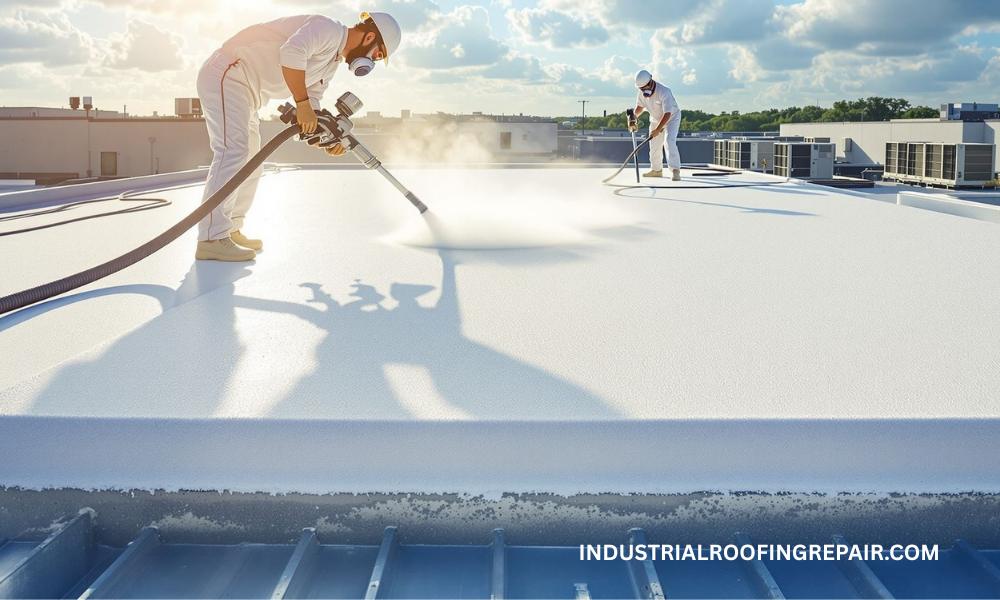
Professional roofer applying white elastomeric coating to a flat commercial roof in Houston to improve energy efficiency

Elastomeric coatings are highly reflective liquid membranes that can be applied directly over an existing roof. Once cured, they create a flexible, seamless barrier that expands and contracts with temperature changes — perfect for Houston’s shifting weather patterns.

Key benefits:

• Reflects UV rays and minimizes thermal shock
• Seals cracks, seams, and pinholes
• Reduces roof surface temperatures by 20–40°F
• Extends roof life without full replacement

The Cool Roof Rating Council (CRRC) notes that elastomeric coatings can lower cooling energy use by up to 25%, depending on insulation and building design.

3. Spray Polyurethane Foam (SPF) Roofing

SPF roofing is one of the most advanced options for energy efficiency. It’s applied as a liquid that expands into a dense, insulating foam layer, sealing every crack, joint, and gap for unmatched air and moisture resistance.

Roofing technicians applying spray polyurethane foam insulation on a Houston commercial building for energy-efficient roofing

Why SPF stands out:

• Extremely high R-value (6.0+ per inch)
• Seamless waterproof insulation
• Up to 30% reduction in cooling costs
• Can be topped with a reflective elastomeric coating for extra savings

SPF is ideal for commercial and flat-roof buildings. Bonus: Many SPF systems qualify for federal energy-efficiency tax credits.

4. Metal Roofs with Reflective Finishes

Modern metal roofs are both stylish and sustainable. When coated with high-reflectance finishes, they can reflect up to 70% of solar energy — reducing indoor heat and energy costs.

Advantages: unmatched durability, recyclability, and excellent performance in Houston’s high heat and storm conditions. Combined with good attic insulation, a reflective metal roof can cut cooling energy use by 15–20% per year.

Comparing Energy-Efficient Roofing Options

Roofing Type Reflectivity Insulation Value Ideal For Average Savings
Cool Roof ★★★★☆ ★★☆☆☆ Residential & commercial 15–20%
Elastomeric Coating ★★★★☆ ★★★☆☆ Flat or metal roofs 10–25%
SPF Roofing ★★★★★ ★★★★★ Commercial & flat roofs 25–30%
Metal Roof ★★★☆☆ ★★★★☆ Residential & industrial 15–20%

Key Insights and Research

U.S. Department of Energy: Cool roofs can reduce cooling energy use by 10–15%, depending on insulation and design.

EPA ENERGY STAR® Program: Reflective roofing can lower surface temperatures by up to 50°F.

Houston Advanced Research Center (HARC): SPF and reflective coatings can reduce peak energy demand during summer by more than 25%.

These studies confirm what Houston homeowners already know: when your roof stays cooler, your energy bills follow suit.

Expert Quotes

“For Houston’s extreme heat, investing in a reflective or insulated roofing system is one of the smartest upgrades homeowners can make.” — Dr. Elena Cruz, Energy Systems Engineer

“Elastomeric coatings can transform an aging roof into an energy-saving surface with minimal disruption.” — Michael Torres, Houston Roofing Contractor

Case Study: Houston Office Building Cuts Energy Bills 28%

A midtown commercial property in Houston was struggling with high energy costs and frequent leaks. The owner chose an SPF retrofit topped with a reflective elastomeric coating.

Results after one year:

• 28% drop in cooling costs
• Noticeable indoor comfort improvements
• Minimal maintenance required
• Payback in just 3.5 years thanks to energy and repair savings

This real-world case shows how combining SPF with coatings creates both short-term comfort and long-term ROI.

Cost vs. ROI of Energy-Efficient Roofs

Roofing Type Installation Cost (per sq. ft.) Average ROI Timeline Notes
Cool Roof $4–$8 3–5 years Best for residential retrofits
Elastomeric Coating $2–$4 2–4 years Ideal for existing flat or metal roofs
SPF Roofing $5–$7 3–6 years High insulation and waterproofing
Metal Roof $8–$12 6–10 years Long-term durability and recyclability

Check with CenterPoint Energy for local energy-efficiency rebates, and explore federal tax credits for ENERGY STAR®-qualified roofing and insulation products.

Frequently Asked Questions (FAQs)

Q1: How long does an energy-efficient roof last in Houston?

Depending on the material and upkeep, energy-efficient roofs can last 20–40 years. SPF and metal systems often exceed 30 years with routine inspections.

Q2: Are energy-efficient roofs good for humid climates?

Yes. Reflective coatings and SPF insulation perform exceptionally well in Houston’s humidity, helping prevent moisture intrusion and heat buildup.

Q3: Can I retrofit my existing roof for energy efficiency?

Absolutely. Elastomeric coatings and SPF overlays can be applied over existing surfaces — a fast, affordable retrofit option.

Q4: Do energy-efficient roofs qualify for tax credits or rebates?

Many ENERGY STAR®-rated products and high-R-value systems qualify for federal, state, or utility incentives. Check with your roofer or energy provider for eligibility details.

Conclusion

In Houston’s relentless heat, energy-efficient roofing isn’t just an upgrade — it’s a smart investment in comfort, cost savings, and sustainability. Whether you choose a cool roof for its simplicity, an elastomeric coating for quick results, or an SPF system for maximum performance, the payoff is clear:

• Lower energy bills
• Improved indoor comfort
• Longer roof lifespan
• Smaller environmental footprint

By upgrading your roof now, you’ll stay cooler, save money, and make your home or business more resilient to Houston’s extreme weather for years to come.

Next Steps

• Schedule a professional roof energy audit.
• Compare cool roof, SPF, and coating options.
• Apply for ENERGY STAR® and CenterPoint Energy rebates.
• Plan upgrades before summer heat peaks.
• Maintain your system annually for best results.

With the right system in place, your roof won’t just protect your home — it will actively lower your energy bills and help you stay comfortable all year long.

Beat the Houston Heat Year-Round.

  • Identify the leak source quickly with expert tools and inspection tips
  • Learn how to assess damage and prevent mold growth effectively
  • Step-by-step recovery: from drying out to full structural repairs
  • Proven strategies to stop future leaks before they start
  • Insurance claim tips to help you recover your costs

Contact a Certified Houston Roofing Expert to Assess Your Roof’s Efficiency and Discover Rebate-Eligible Options for Your Home or Business.

Contact Us Now-FREE Inspection!


Preparing Your Houston Roof for Rain & Hurricane Season: A Seasonal Maintenance Checklist

0
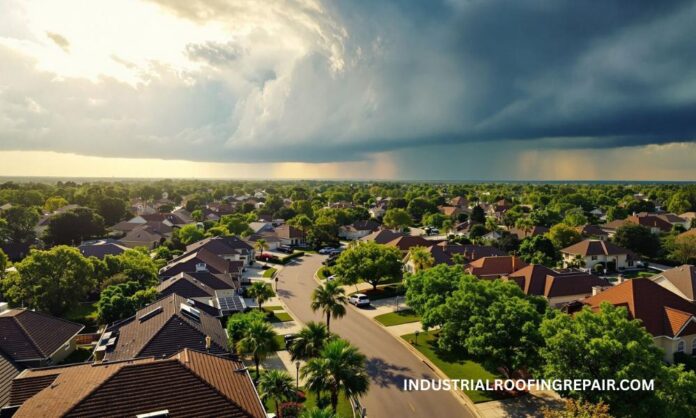
A Houston neighborhood in the eve of a storm

Every Houston homeowner knows that hurricane season can bring heavy rains, strong winds, and unpredictable weather. And when it hits, your roof becomes your home’s first line of defense. From pounding rain to blistering summer heat, Houston’s climate can be downright punishing on roofing systems.

This guide gives you a complete Houston roof maintenance checklist to help you inspect, repair, and prep your roof before the next storm season. Whether you live in the Heights, Katy, or Sugar Land, these steps will help protect your home from leaks, water damage, and costly roof replacements.

Let’s look at why roof maintenance is so critical in Houston — and exactly what you can do before the next hurricane warning lights up your weather app.

Why Roof Maintenance Matters in Houston

Houston’s Weather Challenges

Houston’s weather is uniquely tough on roofs. The mix of tropical humidity, blazing heat, and intense storms creates a perfect recipe for roof wear and tear.

Frequent storms and hurricanes: Because of its proximity to the Gulf Coast, Houston faces heavy rain and high winds almost year-round. Hurricane season typically runs from June through November, when the risk of leaks and shingle damage spikes.

Extreme heat and UV exposure: Prolonged exposure to triple-digit temperatures and UV radiation can cause asphalt shingles to crack, curl, and lose their protective granules.

High humidity: Persistent moisture promotes algae and mold growth, weakening the underlayment and attic insulation over time.

Without regular upkeep, these factors can significantly shorten your roof’s lifespan.

The Cost of Neglect

Skipping roof maintenance might seem like a short-term savings — but it’s often a costly mistake later on.

Average repair vs. replacement: In Houston, minor roof repairs typically range between $400–$1,500, while full replacements can easily exceed $10,000–$15,000 depending on materials and home size.

Common issues: Homeowners frequently deal with preventable issues like shingle loss, roof leaks, and water damage that leads to mold and structural rot.

Long-term savings: Routine maintenance can extend a roof’s lifespan by several years — saving thousands of dollars in premature replacement costs. Plus, a healthy roof adds value and energy efficiency to your home.

The Complete Houston Roof Maintenance Checklist

Below is a seasonal checklist tailored to Houston’s unique weather patterns. Each step helps you spot small problems before they become major headaches.

1. Inspect After Every Major Storm

After a big storm or hurricane, take time to visually inspect your roof. Early detection can stop hidden leaks from becoming major water damage inside your home.

What to look for: missing or cracked shingles, lifted flashing, attic leaks, stained ceilings, clogged gutters, or soft spots on the roof deck. If you spot damage, contact a certified Texas Roofing Contractors Association member for a post-storm evaluation.

2. Clean Gutters and Roof Valleys Regularly

Person cleaning gutters on Houston home using ladder and gloves under sunny sky before storm season

Your gutters and valleys are the roof’s drainage system. When clogged, rainwater can back up and seep under shingles — leading to leaks and rot.

Since Houston gets more than 50 inches of rain a year, this is one area you can’t ignore.

Best practice: clean gutters and downspouts twice yearly (before and after hurricane season). Clear out leaves and debris, use a stabilizer ladder, and consider hiring a professional for two-story homes. Installing gutter guards can make a huge difference during storm season.

3. Check for Signs of Water Damage

Water damage usually starts small — a faint stain, a musty attic odor — and grows quietly. Catching it early can save thousands.

How to check: look for brown ceiling stains, bubbling paint, damp attic insulation, or warped roof decking. If you suspect hidden moisture, request a moisture scan or infrared roof inspection from a local roofer.

4. Trim Nearby Trees and Branches

Overhanging branches can scrape shingles, block sunlight, and even puncture your roof during storms. Before hurricane season, trim branches at least 6–10 feet from your roof and remove dead or weak limbs.

Consider hiring an ISA-certified arborist for safe trimming, especially near power lines. Bonus: This also helps keep pests like squirrels and raccoons from using trees as “bridges” to your attic.

5. Inspect Flashing, Vents, and Seals

Houston’s heat and humidity can cause roof sealants to crack or loosen over time. Pay special attention to flashing around chimneys, vents, and skylights. Replace or reapply sealant as needed — ideally using products made for Gulf Coast conditions to prevent cracking or peeling.

6. Schedule Professional Roof Inspections

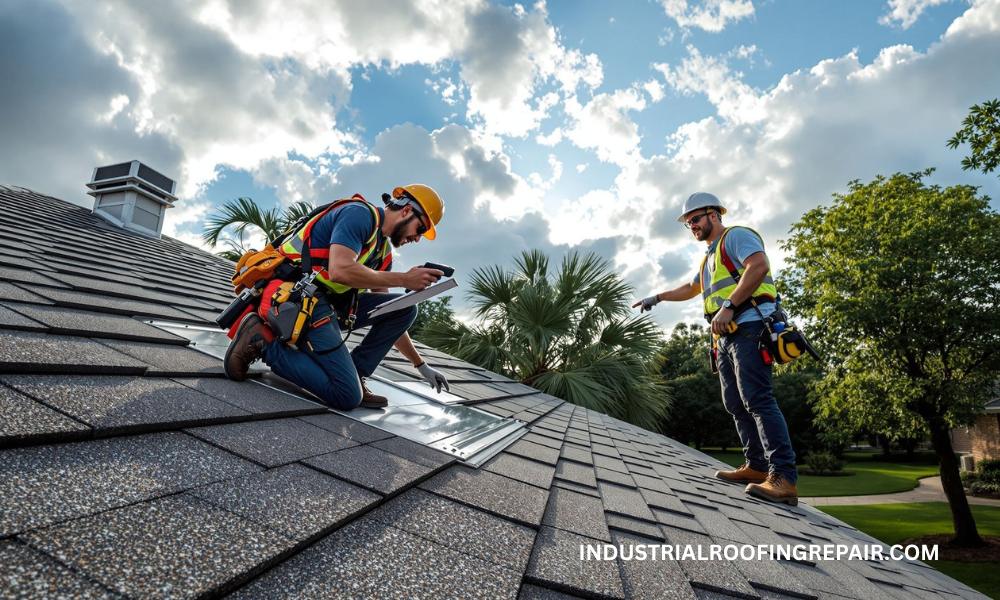
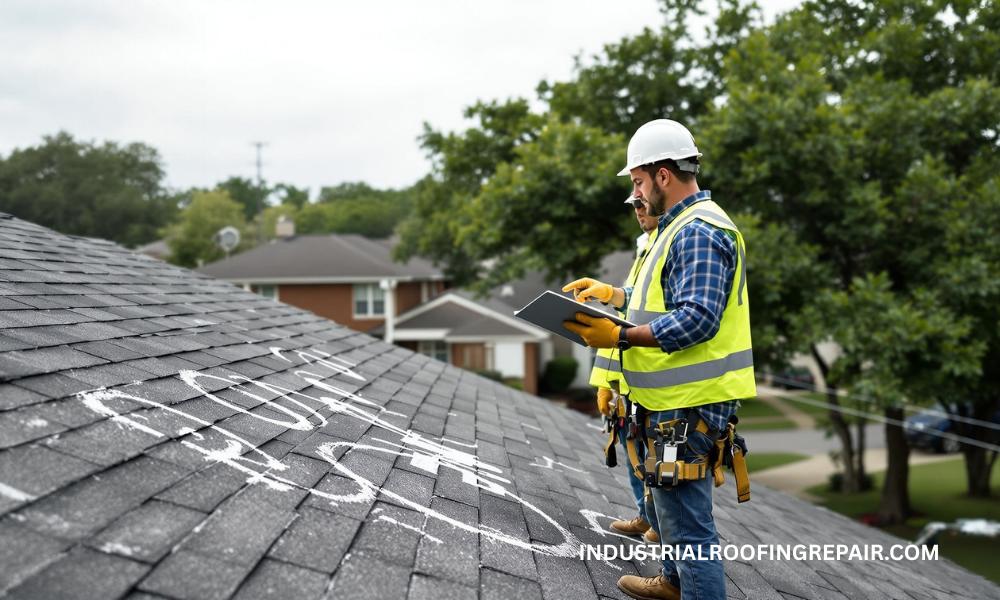
Roof inspector checking shingles and flashing on Houston home before hurricane season with safety gear

Even the most careful homeowner can miss early warning signs. That’s why an annual inspection is key — especially before hurricane season.

When to hire a roofer: once a year (preferably spring) and after any major storm or hail event. Reputable companies like CertainTeed and GAF-certified contractors offer 20-point inspections that include moisture detection, ventilation checks, and structural assessments.

Key Insights and Research

According to the National Oceanic and Atmospheric Administration (NOAA), Houston gets more than 50 inches of rain each year, making roofs particularly vulnerable to leaks and drainage issues.

The Insurance Institute for Business & Home Safety (IBHS) found that proactive roof maintenance can extend roof life by up to 25%. Meanwhile, routine gutter cleaning can reduce water intrusion by as much as 80%.

Expert Quotes

“Your roof is your home’s armor. In Houston, proactive maintenance can be the difference between minor repairs and total replacement.” — John Miller, Certified Houston Roofer

“Hurricane season prep should start with your roof — it’s the barrier that protects everything else.” — Texas StormWatch Organization

Real-World Example: A Houston Homeowner’s Preventive Approach

One Houston Heights homeowner followed this checklist — scheduling annual inspections and gutter cleanings twice a year. When Hurricane Beryl swept through with 90-mph winds, their roof only lost a few shingles. Because they had sealed weak spots months earlier, they avoided over $10,000 in potential repairs.

In other words, regular roof maintenance isn’t just smart — it’s financially protective.

Frequently Asked Questions (FAQs)

Q1: What is a Houston roof maintenance checklist?

It’s a seasonal guide that helps Houston homeowners inspect, clean, and repair their roofs to prepare for the city’s heavy rains and hurricane threats.

Q2: How often should I inspect my roof in Houston?

At least twice a year — once before hurricane season (spring) and once after (fall). Always add an extra inspection after severe storms.

Q3: Should I pressure wash my roof?

No. High-pressure washing can strip protective granules and damage shingles. Opt for soft washing or hire professionals who use low-pressure techniques.

Q4: How do I know if my roof needs replacement instead of repair?

If your roof is over 20 years old, has missing or curling shingles, or multiple active leaks, it’s time to consult a roofer about replacement options.

Q5: What roofing materials work best for Houston’s climate?

Choose materials that handle heat and storms well — like impact-resistant shingles, metal roofing, or clay and concrete tiles. Each offers strong wind resistance and excellent energy efficiency for Houston homes.

Conclusion

Regular roof maintenance in Houston isn’t just about appearance — it’s about protecting your home and your peace of mind during storm season. By following this checklist, you’ll minimize leaks, extend your roof’s lifespan, and save on costly repairs.

Next Steps

Before hurricane season begins:

• Schedule a professional roof inspection.
• Clean gutters and downspouts twice a year.
• Trim trees and branches near your roof.
• Inspect seals, flashing, and vents.
• Keep an emergency roof tarp handy for post-storm repairs.

With consistent upkeep, your Houston roof can stand strong through every season — rain or shine.

Protect Your Home Before the Next Storm Hits.

  • Identify the leak source quickly with expert tools and inspection tips
  • Learn how to assess damage and prevent mold growth effectively
  • Step-by-step recovery: from drying out to full structural repairs
  • Proven strategies to stop future leaks before they start
  • Insurance claim tips to help you recover your costs

Schedule a Professional Roof Inspection Today With a Certified Houston Roofer to Ensure Your Roof Is Storm-Season Ready.

Contact Us Now-FREE Inspection!


The Best Roofing Materials for Houston’s Heat, Humidity, and Hurricanes

0
Aerial view of Houston homes showing rooftops under hot sun and approaching storm clouds, symbolizing Gulf Coast weather challenges

Houston’s weather is a true test of endurance — for both people and their homes. Between triple-digit heat, thick Gulf Coast humidity, and the threat of hurricanes, your roof takes a daily beating. The wrong material can mean constant repairs, high energy bills, or even storm-related structural damage.

This guide breaks down the best roofing materials for Houston’s climate so you can choose one that stands up to heat, humidity, and hurricanes — while keeping your home cool, efficient, and protected year-round.

Understanding Houston’s Climate Challenges for Roofs

A Houston roof doesn’t just need to shed rain. It must endure relentless sunlight, hold up under hurricane winds, and breathe through heavy humidity. To perform well, it needs to be resilient, reflective, and well-ventilated.

Extreme Heat and UV Exposure

According to the National Oceanic and Atmospheric Administration (NOAA), Houston averages more than 90 days above 90°F every year. That’s a lot of direct sunlight. Constant UV exposure accelerates the breakdown of shingles, especially asphalt. Over time, they dry out, fade, and lose their waterproofing strength.

Reflective materials — such as metal or cool roof shingles — can lower roof surface temperatures by up to 50°F, improving comfort and reducing energy costs dramatically.

High Humidity and Algae Growth

Houston’s humidity breeds algae, mold, and mildew, which stain and weaken your roof over time. Materials like metal, clay tile, or synthetic roofing resist moisture far better than standard shingles. Equally important: proper attic ventilation. Allowing heat and moisture to escape prevents premature aging and mold inside your home.

Hurricane and Storm Resistance

Houston lies squarely in the hurricane zone. Roofs must be engineered to withstand winds exceeding 130 mph — plus hail and flying debris. Impact-resistant shingles and interlocking metal panels offer the best protection during storm season.

Statistic: NOAA reports Houston experiences 90+ days above 90°F annually and multiple severe storm events every hurricane season — a double dose of wear and tear on every roof.

Best Roofing Materials for Houston’s Climate

Various roof types — metal, clay tile, slate, and cool shingles — displayed under bright Houston sunlight for material comparison

Each roofing material brings its own advantages, costs, and climate performance. Let’s compare how Houston’s top five roofing choices measure up under real-world conditions.

1. Metal Roofing — Durable and Energy-Efficient

Metal roofing is one of Houston’s fastest-growing trends — and for good reason. It’s reflective, long-lasting, and tough enough to handle both summer heat and hurricane winds.

Key Benefits:

  • Reflects sunlight, reducing cooling costs by up to 25%
  • Lasts 40–70 years with minimal maintenance
  • Handles high winds and hail with ease
  • Available in styles like standing seam, steel, or aluminum

Pros: Energy-efficient, recyclable, and durable
Cons: Higher upfront cost; can be louder in heavy rain without proper insulation

“For Houston homeowners, metal roofs are one of the best long-term investments due to their heat reflection and wind resistance.”
Mark Ellis, Certified Roofing Contractor, Houston MetalWorks

2. Cool Roof Shingles — Designed for Texas Heat

If you love the classic look of shingles but need better energy efficiency, cool roof shingles offer a smart middle ground. Their solar-reflective granules help keep your home cooler and extend the roof’s life.

Benefits:

  • Reflect sunlight to lower attic and indoor temperatures
  • Reduce A/C demand and energy bills
  • Affordable and easy to install

Example: CertainTeed and Owens Corning both make ENERGY STAR®-rated cool shingles built for Texas conditions.

3. Clay and Concrete Tile Roofs — Timeless and Resilient

Clay and concrete tiles have long been Houston favorites — especially for Mediterranean or Spanish-style homes. Their dense composition resists heat, moisture, and even fire, making them a top performer in coastal humidity.

Advantages:

  • Exceptional heat and moisture resistance
  • 50+ year lifespan with low maintenance
  • Beautiful, timeless aesthetic appeal

Cons: Heavy — often requires structural reinforcement during installation

Case Study: A homeowner in Houston Heights replaced asphalt shingles with clay tiles. The result? Their attic cooled by 15°F, and their electric bills dropped 18% within a year.

4. Slate Roofing — Luxury and Longevity

For those who never want to re-roof again, slate is the ultimate option. It’s impervious to moisture, rot, and extreme heat — a perfect match for Houston’s extremes.

Features:

  • Can last 75–100+ years
  • Excellent wind, fire, and impact resistance
  • Requires minimal upkeep once installed

Drawbacks: High upfront cost and heavy weight — needs a strong framing system.

Best For: Luxury or historic homes seeking timeless beauty and long-term durability.

5. Synthetic Roofing (Polymer, Composite, or Rubber)

Modern synthetic roofing mimics natural materials like slate, tile, or wood — without the weight or upkeep. Designed for flexibility and heat resistance, it’s a great fit for Houston’s unpredictable weather.

Benefits:

  • Resists UV rays, impact, and moisture
  • Lightweight yet highly durable
  • Eco-friendly and often recyclable

Pros: Affordable, energy-efficient, and weather-tough
Cons: Fewer local installers trained for advanced composite systems

“Composite roofing performs exceptionally well in Houston’s climate — it’s durable, energy-efficient, and often comes with 50-year warranties.”
Lydia Tran, Owner, Bayou City Roofing Solutions

Energy Efficiency and Cool Roof Technology

Roofing team installing reflective metal panels on a Houston home under bright sun to improve energy efficiency

In Houston, air conditioning is a year-round companion. A reflective or cool roof can be your secret weapon for lower energy bills and greater comfort.

Key Insights:

  • ENERGY STAR®-certified cool roofs can lower surface temperatures by up to 50°F.
  • Pairing a cool roof with attic insulation and ridge vents maximizes comfort.
  • Solar-ready systems integrate panels seamlessly while preventing trapped heat.

Statistic: The U.S. Department of Energy reports that cool roofs can reduce air conditioning use by 10–15% annually in hot climates like Houston.

Roof Maintenance Tips for Houston Homeowners

Even the best roofing material needs regular attention to stay in top shape. Here’s how to protect your investment:

  • Inspect your roof twice a year — before and after hurricane season.
  • Clean gutters regularly to prevent water backup and leaks.
  • Trim overhanging branches that can drop debris or cause damage.
  • Schedule professional cleanings to remove algae or mold buildup.
  • Check attic ventilation to manage humidity and airflow.

Cost Comparison of Roofing Materials in Houston (2025)

Material Lifespan Avg. Cost per sq. ft. Maintenance Level Energy Efficiency
Asphalt Shingles 15–20 yrs $3.50–$5.50 Moderate ★★☆☆☆
Metal Roofing 40–70 yrs $8–$12 Low ★★★★★
Clay Tile 50+ yrs $10–$18 Low ★★★★☆
Slate 75–100 yrs $15–$25 Very Low ★★★★☆
Synthetic/Composite 40–50 yrs $7–$10 Low ★★★★☆

Note: While asphalt shingles are the cheapest upfront, metal and composite roofs typically offer better long-term value through lower energy bills and fewer repairs.

FAQs — Roofing Materials in Houston

Q1: What roofing material lasts the longest in Houston?
A: Slate and metal roofs can last 50 years or more, even in Houston’s heat and humidity.

Q2: Are metal roofs noisy during storms?
A: Not if installed with proper insulation and underlayment — the sound level is similar to asphalt shingles.

Q3: Which roof type offers the best energy savings?
A: Metal and cool roof shingles reflect sunlight and lower attic heat, reducing energy use by 10–25% annually.

Q4: Do insurance companies offer discounts for impact-resistant roofs?
A: Yes. Many Texas insurers provide premium discounts for Class 4 impact-rated roofing systems that resist hail and wind damage.

Conclusion

Choosing the best roofing material for Houston’s climate means finding a balance of durability, energy efficiency, and storm resistance. For most homeowners, metal roofs or cool roof shingles offer the best overall performance — keeping homes cooler, quieter, and better protected.

If you prefer premium aesthetics or near-zero maintenance, clay, slate, or synthetic roofing is are excellent alternative. Whatever your choice, the right roof today means decades of comfort, savings, and peace of mind tomorrow.

Next Steps for Houston Homeowners

✅ Schedule a professional roof inspection to assess your current system.
✅ Request multiple quotes comparing materials and installation methods.
✅ Ask about ENERGY STAR® ratings and impact-resistance for insurance savings.
✅ Consider long-term ROI — not just the lowest bid.
✅ Hire a licensed Houston roofing contractor who understands local weather challenges.

In Houston’s climate, the roof over your head isn’t just a feature — it’s your first line of defense. Choose wisely, and it will protect your home for decades to come.

Protect Your Houston Home Today!

  • Identify the leak source quickly with expert tools and inspection tips
  • Learn how to assess damage and prevent mold growth effectively
  • Step-by-step recovery: from drying out to full structural repairs
  • Proven strategies to stop future leaks before they start
  • Insurance claim tips to help you recover your costs

Schedule a free roof consultation with a certified local contractor to find the best material for your home’s needs and budget.

Contact Us Now-FREE Inspection!

Houston Roof Repair vs Replacement: How to Decide When to Patch, Reroof, or Start Fresh

0

In Houston, your roof works harder than almost anywhere else in the country. Between relentless sunshine, heavy humidity, and unpredictable tropical storms, it faces a constant battle against the elements. Over time, even the strongest materials start to show fatigue — and that’s when homeowners hit the big question: Should you repair, reroof, or replace?

This guide walks you through how to make that choice wisely. You’ll learn how your roof’s age, condition, and materials — along with Houston’s unique Gulf Coast climate — all play a part in choosing the best option for your home, your safety, and your wallet.

Understanding Roof Lifespan in Houston’s Climate

Let’s be real: Houston’s heat is no joke. What lasts 25 years up north might only make it 15 here. The mix of blazing UV rays, high humidity, and storm cycles shortens the lifespan of most roofing materials by about 20–30% compared to national averages.

Common Roof Materials and Their Durability

Material Type Expected Lifespan (Houston) National Average Notes
Asphalt Shingles 12–20 years 15–25 years Affordable and common, but prone to heat cracking and algae growth
Metal Roofing 35–60 years 40–70 years Reflects heat well and boosts energy efficiency
Tile or Slate 40–50+ years 50+ years Extremely durable but heavy; may require reinforced framing

How Houston’s Weather Impacts Roof Longevity

Every season in Houston brings new challenges:

Sun and Heat Degradation: Constant UV exposure dries out asphalt shingles, causing cracking, curling, and fading.

Wind and Hail Damage: Tropical systems can tear off shingles or puncture roofs in seconds.

Humidity and Algae Growth: Persistent moisture leads to black streaks and algae that weaken your roof over time.

Key Insight: Most Houston roofs last 20–30% less time than in cooler or drier climates — a big reason to schedule regular inspections and proactive maintenance.

Signs You Need Roof Repair

Professional roofer replacing damaged shingles on a Houston home under bright sun

Not every roofing issue means it’s time for a full replacement. Many problems can be addressed quickly and affordably if caught early. Here’s what to look for:

Common Signs You Need a Roof Repair:

  • Leaks or water stains on ceilings or walls
  • Missing, cracked, or curling shingles
  • Minor flashing or sealant deterioration
  • Isolated damage from hail or falling branches

If these issues are limited to one section, a targeted repair could easily extend your roof’s lifespan by several years.

When Repair Is the Smarter Choice

Repairs often make sense when the roof is under 15 years old, the damage is localized, and there’s no structural compromise underneath.

Expert Insight: “If less than 25% of your roof is damaged, repair is usually the most cost-effective solution.” — John Rivera, Certified Roofing Specialist, Houston Roof Pros

Signs You Need Roof Replacement

Sometimes, patching up isn’t enough. If your roof is showing widespread wear or causing repeated issues, replacement might be the more practical — and ultimately more affordable — move.

Red Flags for Roof Replacement:

  • Roof age exceeds 20 years
  • Multiple leaks or mold in the attic
  • Sagging or uneven rooflines
  • Rising energy bills from poor insulation

When Replacement Makes Sense: Choose replacement if damage is extensive, repairs have become frequent, or insurance coverage makes a full upgrade more cost-efficient.

Statistic: According to HomeAdvisor (2025), 78% of Houston homeowners who replaced their roofs after severe storm damage reported long-term savings through lower maintenance costs and improved energy performance.

Roof Repair vs Replacement Cost Comparison in Houston

Here’s what you can expect to spend in 2025, depending on the scope of work:

Service Type Average Cost (2025) Includes
Minor Roof Repair $400–$1,200 Small patches or single shingle replacement
Major Roof Repair $1,500–$4,000 Structural fixes, flashing, or sealant repair
Full Roof Replacement $7,000–$15,000+ Labor, materials, tear-off, permits

Factors That Affect Cost: Roof size and pitch, material type, labor rates, permit fees, and whether storm damage qualifies for insurance coverage.

Roof Insurance and Storm Damage Claims in Houston

From June through November, Houston homeowners face hail, hurricanes, and flash flooding. Understanding your insurance rights can make or break your claim outcome.

Key Steps for Filing a Roof Claim:

  1. Schedule a professional inspection before you contact your insurer.
  2. Document all damage with photos and a written report.
  3. File your claim quickly — most policies have short reporting windows.
  4. Work with a certified roofing contractor familiar with Houston’s claim process.

Pro Tip: Always get a certified inspection report first. Many claims are denied simply because the damage wasn’t properly documented.

Case Study: Houston Homeowner’s Roof Decision

Roofing crew replacing old shingles with metal roofing on a Houston home after storm damage

Case Example: After a spring hailstorm, a West Houston homeowner discovered significant roof damage. Their 14-year-old asphalt roof could’ve been patched, but insurance approved a full replacement. They upgraded to a metal roof, improving energy efficiency by 22% and cutting cooling costs noticeably. The investment paid for itself in comfort and savings.

In short, a smart replacement — especially when insurance covers part of it — can save money in the long run while protecting your home from future storms.

Choosing the Right Houston Roofing Contractor

Finding the right roofer matters just as much as choosing the right material. Here’s how to pick a professional who truly understands Houston’s unique climate:

  • Verify Licensing and Insurance: Always confirm active Texas licensing and liability coverage.
  • Check Reviews: Look for solid ratings on the Better Business Bureau (BBB) and Google.
  • Request Written Estimates: Get at least three detailed quotes before signing anything.
  • Ask About Warranties: Ensure materials and workmanship are covered for at least 10 years.

“Local experience matters — Houston roofs face conditions that out-of-town contractors might overlook.”
Maria Gonzales, Owner, Lone Star Roofing & Restoration

FAQs — Roof Repair vs Replacement in Houston

Q1: What’s the difference between roof repair and replacement?
Roof repair fixes specific damaged areas, while replacement removes and installs an entirely new roof system.

Q2: How do I know if my roof can be repaired instead of replaced?
If less than 25% of your roof is affected and the structure is sound, a repair is usually the right move.

Q3: How often should I have my Houston roof inspected?
At least once a year — and definitely after major storms or hurricanes.

Q4: Does a new roof increase home value?
Yes. According to the 2024 Cost vs. Value Report from Remodeling Magazine, homeowners can recoup up to 60% of their investment through higher resale value.

Q5: What’s the best roofing material for Houston homes?
Metal and cool roof shingles perform best here — they reflect heat, handle storms, and last longer in humid climates.

Conclusion

When deciding between roof repair and replacement in Houston, focus on three things: your roof’s age, the extent of damage, and the climate’s impact. Staying proactive with inspections and timely maintenance can save thousands over the life of your roof.

If you’re unsure, bring in a certified local roofer for an honest, data-backed inspection. Houston’s weather is tough — but with the right plan and materials, your roof can be tougher.

Next Steps for Houston Homeowners

✅ Schedule a professional roof inspection — especially after big storms.
✅ Compare at least three detailed repair or replacement quotes.
✅ Review your insurance coverage before paying out of pocket.
✅ Choose energy-efficient materials for long-term savings.
✅ Maintain your roof annually to prevent surprise expenses.

Your roof protects everything under it. Treat it with care, and it’ll return the favor — even through Houston’s wildest weather.


Schedule a Free Roof Inspection Today!

  • Identify the leak source quickly with expert tools and inspection tips
  • Learn how to assess damage and prevent mold growth effectively
  • Step-by-step recovery: from drying out to full structural repairs
  • Proven strategies to stop future leaks before they start
  • Insurance claim tips to help you recover your costs

Get expert advice from trusted Houston roofing professionals and find out whether your roof needs a simple repair or a full replacement.

Contact Us Now-FREE Inspection!

R-Panel Metal Roofs in Houston: Benefits, Common Problems & Repair vs Replacement

0
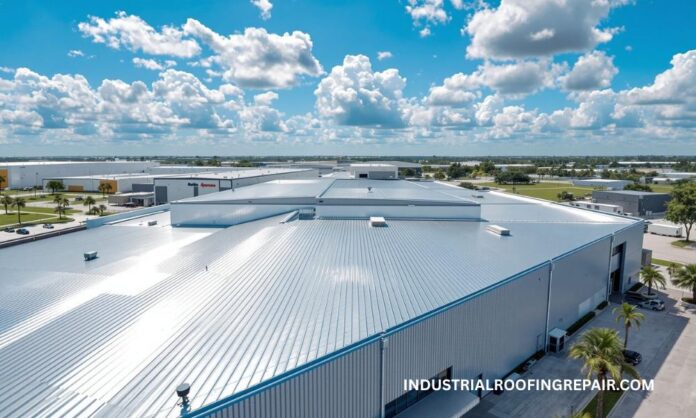
Commercial warehouse in Houston featuring a galvanized steel R-panel metal roof with corrugated design and exposed fasteners.

When it comes to protecting warehouses, commercial spaces, and even modern homes in Houston, few roofing systems perform as well as R-panel metal roofs. Their corrugated steel design, impressive lifespan, and affordable installation have made them a go-to choice across Texas.

But Houston’s climate doesn’t make it easy on any roof. Between heavy rain, high humidity, harsh UV rays, and hurricane winds, even the toughest R-panel systems can wear down over time. Expansion, corrosion, or storm damage can create leaks if they’re not caught early. That’s why regular maintenance and timely repair matter. This guide walks you through everything you need to know about R-panel metal roof repair in Houston—from benefits and common problems to cost insights and how to decide between repair and replacement.

What Is an R-Panel Metal Roof?

An R-panel roof is a corrugated steel roofing system recognized for its exposed fasteners and deep, rectangular grooves that channel rainwater effectively. Made from galvanized steel, Galvalume®, or aluminum, these panels deliver excellent durability and a rugged industrial aesthetic.

They’re often used on:

  • Commercial and industrial buildings
  • Barns, storage sheds, and agricultural structures
  • Modern homes with a contemporary or industrial look

Because the fasteners are exposed, installation is quick and cost-effective—often cheaper than concealed systems like standing seam roofs.

Key takeaway: When properly maintained, R-panel metal roofs can last 40 years or more, making them one of the best-value roofing investments available.

Sources: Metal Construction Association, American Iron and Steel Institute, Metal Roofing Alliance

Benefits of R-Panel Metal Roofs for Houston Properties

1. Excellent Weather Resistance

R-panels are built for Houston’s extremes—heat, humidity, and hurricane winds. The Galvalume® coating (a blend of aluminum, zinc, and silicone) acts as a corrosion barrier that resists rust in the Gulf Coast’s salty, humid air. Their rigid, interlocking design helps them stay intact during high winds or heavy rain.

2. Long Lifespan and Low Maintenance

With proper installation and care, R-panels often last 40–50 years. Maintenance is minimal—usually limited to annual inspections and re-sealing screws or joints. Compared to asphalt shingles, which may need replacing every 15–20 years, R-panels are a long-term, low-stress investment.

3. Cost-Effective Installation

Because R-panels can sometimes be installed directly over existing roofing, they save on tear-off and disposal costs. Their simpler installation process also means lower labor expenses than standing seam systems. The result? Tough metal roofing at a price that fits most Houston budgets.

4. Energy Efficiency

Metal reflects heat—and R-panels are no exception. Reflective coatings can help cut rooftop temperatures by up to 50°F, reducing air conditioning costs in Houston’s long summers. According to the Metal Roofing Alliance, metal roofs can reflect up to 70% of solar radiation, making them among the most energy-efficient options in the region.

Common R-Panel Metal Roof Problems in Houston

Even though they’re durable, R-panels can face issues in Houston’s volatile weather. Here’s what to watch for:

Roofing contractor inspecting R-panel fasteners and checking for rust or leaks on a Houston metal roof.

1. Fastener Back-Out and Leaks

Metal expands and contracts with temperature changes. Over time, that movement loosens exposed screws, allowing water to seep in. Even a few loose fasteners can cause major leaks during heavy rain. Annual tightening helps prevent this.

2. Rust and Corrosion

Humidity and salt-rich coastal air can cause rust—especially if the Galvalume® coating gets scratched. Once corrosion begins, it can spread fast and weaken the panel’s structure.

3. Damaged Sealants or Flashing

UV rays and high heat break down sealants over time. Cracked sealants or improperly installed flashing can cause leaks around vents or skylights, leading to costly interior damage.

4. Storm or Hail Damage

Houston storms can bring high winds and large hail. Dents, punctures, and lifted panels are common after severe weather, so post-storm inspections are a must.

5. Poor Installation

Improper fastener spacing or panel alignment can shorten a roof’s life. Always choose a contractor who specializes in metal roofing—not just general residential work.

Sources: NRCA Technical Manuals, Roofing Contractor Magazine, Texas Department of Insurance

R-Panel Roof Repair in Houston: What to Expect

Inspection and Damage Assessment

A reputable Houston roofing contractor will start with a detailed inspection—sometimes using infrared or moisture detection tools to spot hidden leaks. They’ll check for:

  • Loose or missing fasteners
  • Rust, corrosion, or punctures
  • Sealant failure and flashing gaps
  • Overall panel alignment and slope

Common Repair Techniques

Depending on the issue, repairs may include:

  • Re-securing or replacing loose fasteners
  • Patching or replacing damaged panels
  • Applying reflective or elastomeric coatings
  • Re-flashing around vents or penetrations

Cost of R-Panel Metal Roof Repair in Houston

Repair costs vary by roof size, extent of damage, and accessibility. On average, R-panel metal roof repair in Houston costs $5–$12 per square foot.

Repair Type Typical Cost Range Description
Minor leak or fastener repair $500–$1,500 Localized patch or resealing
Moderate sectional repair $2,000–$5,000 Panel replacement and coating
Full restoration with coating $5–$8 per sq. ft. Fasteners, sealants, and reflective finish

Case Study: A North Houston warehouse extended its roof’s life by 15 years through targeted fastener replacement and an elastomeric coating—saving over $60,000 versus full replacement.

Sources: HomeAdvisor Roofing Cost Guide, Angi Reviews, Roofing Contractors Association of Texas (RCAT)

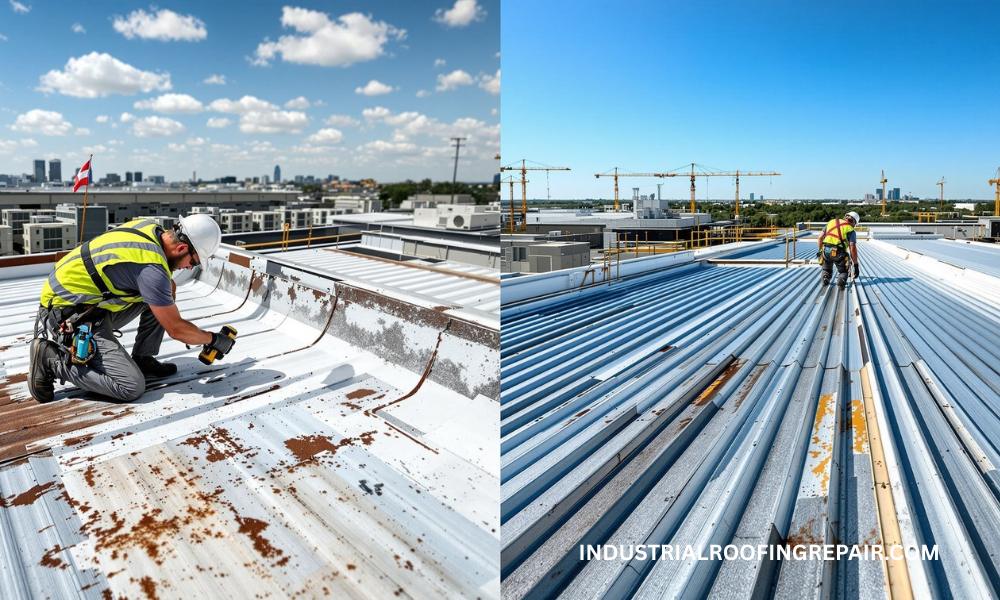
Visual comparison of R-panel metal roof repair and full replacement on a Houston commercial building.

Repair vs. Replacement — How to Decide

Wondering if it’s time for a full replacement? Here’s how to tell:

When Repair Makes Sense

  • Damage is localized or minor
  • The roof structure and underlayment are solid
  • The roof is under 25 years old
  • You want to extend life affordably with coatings or resealing

When Replacement Is Better

  • Widespread corrosion or missing panels
  • Recurring leaks across large areas
  • The roof is 30–40 years old or out of warranty
  • Energy bills are rising due to poor insulation

Replacement options: You can refresh with new R-panels or upgrade to a standing seam system for hidden fasteners and better energy performance. Federal incentives may apply for energy-efficient replacements in Texas.

Expert tip: “A certified Houston roofing contractor can help you determine whether strategic repairs or full replacement make more sense.” — RCAT Certified Roofer

How to Find the Right Houston Contractor for R-Panel Roof Repair

The right contractor makes all the difference. Here’s what to look for:

  • Proven experience with metal roofing systems
  • Active RCAT membership and proper insurance
  • Local references and before/after photos
  • Written estimates with detailed labor and material costs
  • Clear warranty coverage on both workmanship and materials

Red Flags to Avoid

  • Contractors offering unusually low bids
  • No physical business address in Houston
  • Refusal to show insurance proof
  • No written contract or vague warranty

FAQs About R-Panel Metal Roof Repair in Houston

How often should R-panel roofs be inspected?
At least once a year, plus after major storms. Regular checks help catch loose screws or sealant wear before leaks start.

Can an R-panel roof be coated instead of replaced?
Yes. Quality silicone, acrylic, or elastomeric coatings can add 10–15 years of life while boosting reflectivity.

How long does R-panel roof repair take?
Most small repairs finish in 1–2 days; large restoration projects may take up to a week.

Can you install a new roof over existing R-panels?
Yes—if the structure is sound. This retrofit method is common for commercial roofs and saves time and money.

Conclusion: Protecting Your Houston Property with Smart Roofing Choices

R-panel metal roofs are built to last through Houston’s toughest weather—if they’re maintained correctly. Regular inspections, timely repairs, and choosing the right contractor can easily double your roof’s lifespan and save you from premature replacement.

Whether you manage a warehouse, business facility, or modern home, investing in professional R-panel roof care ensures safety, efficiency, and long-term value.

Next Steps

  1. Schedule a professional roof inspection to evaluate your R-panel condition.
  2. Gather 2–3 quotes from RCAT-certified Houston contractors.
  3. Ask about coating or restoration options before replacing.
  4. Verify all insurance and warranty details before signing.
  5. Plan annual maintenance to prevent leaks and preserve performance.


Need Expert R-Panel Metal Roof Repair in Houston?

  • Identify the leak source quickly with expert tools and inspection tips
  • Learn how to assess damage and prevent mold growth effectively
  • Step-by-step recovery: from drying out to full structural repairs
  • Proven strategies to stop future leaks before they start
  • Insurance claim tips to help you recover your costs

Contact a Certified Local Roofing Contractor Today for a Detailed Inspection and Free Repair Estimate.

Contact Us Now-FREE Inspection!

When’s the Best Time for Roof Replacement in Houston? Seasonal Pros & Cons

0
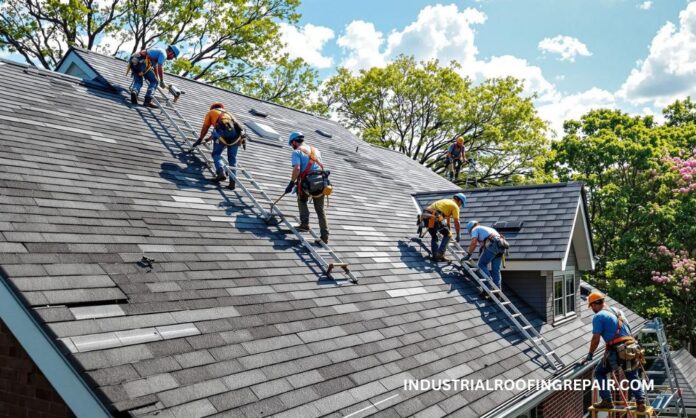
Roofing crew replacing shingles on a Houston home during mild spring weather with clear skies and trees in bloom.

Quick Answer: The best time for roof replacement in Houston is usually spring (March–May) or fall (September–November). Both seasons offer mild weather, low humidity, and stable conditions that help shingles and sealants bond properly—making them ideal for long-lasting results.

Timing really does matter when it comes to your roof. Houston’s climate swings from blazing heat and thick humidity to pounding rain and even hurricane-level winds. Choosing the right moment for roof replacement can save you time, money, and a lot of stress.

Schedule it right, and you’ll enjoy smoother installation, faster completion, and even better pricing. Get it wrong, and you may face delays, warped materials, or crews struggling in the heat. Let’s walk through what each season brings so you can plan wisely.

Why Timing Matters for Roof Replacement in Houston

Your roof’s durability depends on more than just great materials—it depends on when it’s installed. Houston’s temperature, humidity, and storm patterns all affect roofing materials like asphalt shingles, sealants, and adhesives.

Shingles seal best between 45°F and 85°F. Below that, bonding slows; above that, materials can warp or soften. Add in high humidity or heavy rain, and curing time stretches even longer. That’s why knowing when to install is just as important as who installs it.

Plus, contractor availability and costs fluctuate throughout the year. During peak months like spring and fall, top-rated roofing companies book up fast. In slower seasons, you might score better rates or flexible scheduling.

Key insight: According to the National Roofing Contractors Association (NRCA) and the Roofing Contractors Association of Texas (RCAT), spring and fall are the busiest and most favorable times for roof replacement in Houston.

Houston’s Climate & How It Affects Roofing

Houston’s subtropical weather shapes everything about roof installations—from materials to timing. Here’s how each season impacts your project:

Season Typical Weather Roofing Impact
Spring (Mar–May) Mild temps, occasional rain Ideal installation weather; minor rain delays possible
Summer (Jun–Aug) Hot, humid, hurricane risk Heat affects shingles; higher storm risk; best for smaller jobs
Fall (Sep–Nov) Stable, dry, comfortable Most reliable for full replacements
Winter (Dec–Feb) Cool, low humidity, rare freezes Fewer delays; adhesives can cure more slowly

Different materials react differently to Houston’s weather:

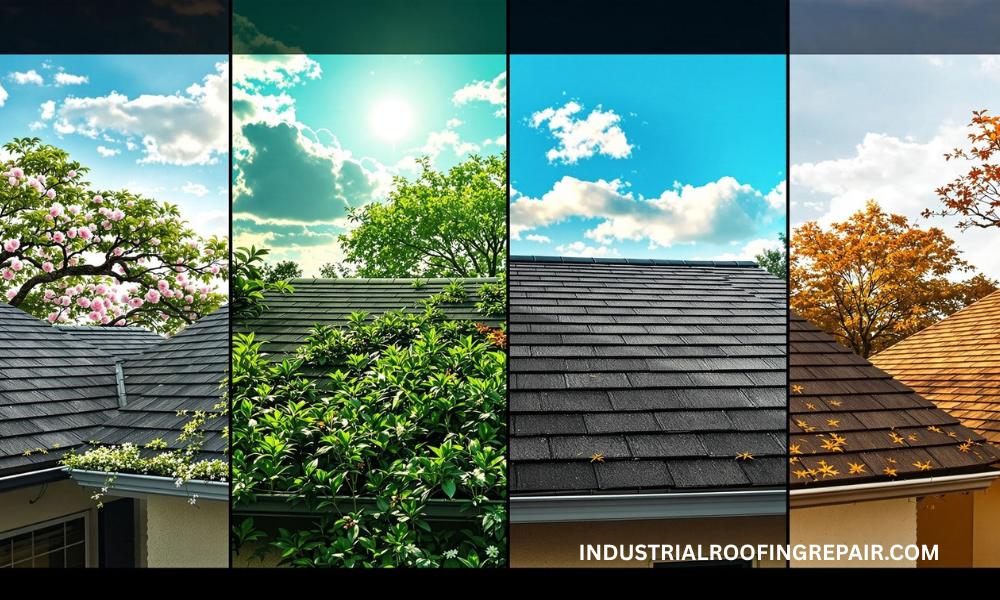
Visual comparison showing spring, summer, fall, and winter weather over Houston rooftops, highlighting how each season affects roofing conditions.

Asphalt shingles perform best in moderate temperatures. Metal roofs can be installed any time, but expand and contract more in the heat. Flat and membrane systems (like TPO or PVC) benefit from cooler, drier air for cleaner adhesive work.

“Proper roof installation depends as much on weather as on workmanship. Choosing the right season can add years to your roof’s lifespan.” — NRCA Roofing Expert

Best Time of Year for Roof Replacement in Houston

Spring – The Sweet Spot

Why it’s great: Spring offers comfortable temperatures, fewer expansion issues, and ideal conditions for adhesives and shingles to seal properly.

Downside: High demand and occasional showers can cause short delays. Book early—by February if possible—to secure your spot before the spring rush.

Best for: Asphalt shingles, composite roofing, and full replacements.

Summer – High Risk, Still Possible

Why it’s tough: Houston summers often hit the 90s, making shingles softer and adhesives slower to set. But with early-morning work schedules and expert crews, it can still be done.

Best for: Small projects or emergency repairs, especially flat roofs or insurance claims that can’t wait.

Fall – The Most Reliable Season

Why it’s ideal: Fall brings stable, dry weather and lower humidity, giving crews ideal working conditions. It’s also easier to schedule than spring.

Best for: Metal, tile, and composite roofs. If you want your roof ready before winter, this is the perfect window.

Winter – Houston’s Quiet Advantage

Why it works: Houston’s winters are mild enough for roofing year-round. Occasional cold snaps below 40°F may slow sealing, but projects rarely stop completely. Off-season discounts are common, too.

Best for: Metal and flat roofs, or budget-conscious homeowners.

Other Factors That Influence Roof Timing

Roof Age & Condition: If leaks or damage are active, don’t wait for perfect weather—replace it promptly to avoid further issues.

Material Type: Shingles prefer mild temperatures; metal is more flexible; flat and membrane systems need dry, cool days.

Budget & Contractor Availability: Off-season work (winter or early summer) may save you 5–15%, but confirm material warranties still apply under those conditions.

Insurance or Storm Claims: After hurricanes or hailstorms, demand spikes fast. Schedule inspections quickly to beat the rush.

Sources: HomeAdvisor Roofing Cost Guide, Angi Roofing Reviews, Texas Department of Insurance

How to Plan a Roof Replacement in Houston

Houston homeowner consulting with a roofing contractor about the best season for roof replacement while reviewing schedules and weather charts.

1. Get a professional inspection before storm season. Find early signs of leaks or aging materials to plan proactively.

2. Book early—especially in March–April or September–October. Top contractors fill up fast during these months.

3. Choose experienced local roofers. They understand Houston’s codes, weather, and timing better than out-of-area companies.

4. Prepare for rain delays. Ask about tarping and backup scheduling so your home stays protected if storms hit.

Case in point: A Houston Heights homeowner scheduled their roof in April and finished before summer storms. By booking two months early, they saved 10% and avoided weather delays.

FAQs About Roof Replacement Timing in Houston

Q1: What’s the best month to replace a roof in Houston?
A: April and October offer the best mix of mild weather, low humidity, and contractor availability.

Q2: Can I replace my roof during Houston’s summer?
A: Yes, but most contractors work early mornings or evenings to beat the heat. It’s doable with proper precautions.

Q3: How does hurricane season affect roofing?
A: Most roofers avoid full replacements in August–September when storm risks are highest. Minor repairs may still proceed safely.

Q4: How far in advance should I schedule?
A: During spring or fall, aim to book 4–6 weeks ahead to secure your preferred roofer.

Conclusion: The Smart Time to Replace Your Roof

In short, spring and fall are the best seasons for roof replacement in Houston. The weather is cooperative, materials perform better, and contractors can work efficiently.

But with careful planning, even summer or winter projects can go smoothly. The key is hiring a seasoned Houston roofer who understands how to adapt to the city’s unpredictable weather patterns.

A well-timed roof replacement doesn’t just shield your home—it extends your roof’s lifespan, boosts efficiency, and saves you money long-term.

Next Steps

✔ Schedule a roof inspection soon.
✔ Plan your project for spring or fall if possible.
✔ Book early with a trusted Houston contractor.
✔ Ask about climate-specific installation tips.
✔ Build in a small buffer for rain or storm delays.


Thinking About Replacing Your Roof?

  • Identify the leak source quickly with expert tools and inspection tips
  • Learn how to assess damage and prevent mold growth effectively
  • Step-by-step recovery: from drying out to full structural repairs
  • Proven strategies to stop future leaks before they start
  • Insurance claim tips to help you recover your costs

Schedule a Free Inspection With a Trusted Houston Roofing Contractor Today — and Plan Your Project for the Perfect Season.

Contact Us Now-FREE Inspection!

Commercial Roof Care in Houston: Maintenance Strategies to Prevent Costly Repairs

0
Aerial view of Houston commercial buildings under intense sun and approaching storm clouds, showing flat roofs with HVAC units and reflective coatings

Houston’s climate is as tough on roofs as it is unpredictable. Between the scorching summer heat, heavy humidity, and the occasional hurricane, commercial roofs take a real beating. For property managers and business owners, overlooking roof maintenance can mean leaks, energy loss, and expensive downtime that disrupts operations.

In this guide, we’ll break down why proactive commercial roof care matters so much in Houston. You’ll learn key maintenance strategies, early warning signs of roof damage, and when to call for professional commercial roof repair in Houston to extend both your building’s lifespan—and your peace of mind.

Why Commercial Roof Maintenance Matters in Houston

Maintaining a commercial roof isn’t just about stopping leaks—it’s about protecting your investment, maintaining energy efficiency, and keeping business operations running smoothly. And in Houston, the weather makes this even more critical.

Houston’s Harsh Weather Conditions

Think of Houston’s weather as a constant stress test for your roof:

Extreme Heat and UV Exposure: Constant sun exposure can dry out membranes and lead to cracking.
Hurricanes and High Winds: Tropical systems can bring 130+ mph gusts, lifting seams or puncturing membranes.
High Humidity: Persistent moisture seeps into roof layers, trapping water and promoting mold growth.

“Preventive roof maintenance is your first line of defense against Houston’s unpredictable weather patterns.”
— Robert Delgado, Commercial Roofing Engineer, Houston Roof Systems Inc.

The Cost of Neglecting Maintenance

Postponing maintenance often ends up costing far more than staying ahead of it. Minor issues can become major repairs—sometimes 3 to 5 times more expensive if ignored. Water infiltration can ruin insulation, damage electrical systems, or even cause safety code violations. Routine maintenance not only saves money but also prevents disruptions and liability issues.

Common Commercial Roofing Systems in Houston

Houston’s commercial buildings use a mix of roofing types based on cost, durability, and design. Knowing your roof type helps tailor your maintenance approach.

Roof Type Advantages Challenges Typical Lifespan
Built-Up Roofing (BUR) Affordable, durable, multilayer protection Vulnerable to heat cracking 15–25 years
Modified Bitumen Flexible, heat-resistant, ideal for flat roofs Seams can degrade without sealing 20–25 years
TPO (Thermoplastic Polyolefin) Reflective, energy-efficient Needs skilled installation 20–30 years
EPDM Rubber Roofing Excellent moisture resistance Can shrink under heat 25–35 years
Metal Roofing Storm-resistant, long-lasting Higher upfront cost 40+ years

Key Insight: According to the National Roofing Contractors Association, TPO and metal roofs dominate Houston’s market thanks to their heat reflectivity and hurricane resilience.

Signs You Need Commercial Roof Repair

Even the strongest roofs show wear in Houston’s demanding weather. Catching these signs early prevents costly repairs later:

Watch for: pooling water, membrane punctures, blisters or bubbles, interior stains, and rising energy bills.

When to Act: If more than 20% of your roof shows damage, it’s time to call a professional for a full inspection or possible replacement.

Preventive Maintenance Strategies for Houston Businesses

Roofing technicians inspecting and sealing flat commercial roof in Houston under bright sun with HVAC units in background

A consistent maintenance plan can extend your roof’s life by up to 50%. Here’s how to protect your investment year-round:

1. Schedule Regular Roof Inspections

Have your roof inspected twice a year—spring and fall—and after major storms. Keep photos and notes for insurance and warranties.

2. Keep Roofs Clean and Debris-Free

Storm debris can block drains and trap water. Clear branches, clean gutters, and consider walkway pads to prevent punctures.

3. Seal and Repair Minor Issues Early

Small cracks or seam gaps can become leaks fast in Houston’s humidity. Use compatible sealants and inspect flashing often.

4. Maintain HVAC and Roof Equipment

Check HVAC mounts and ensure no oil or condensate leaks onto roofing membranes. Require contractors to use protective pathways.

5. Apply Reflective Roof Coatings

Cool roof coatings reduce UV damage and can drop roof surface temperatures by up to 60°F—saving energy and extending lifespan, according to the U.S. Department of Energy.

The Role of Professional Roof Inspections

Roof inspector using infrared camera to detect moisture on a Houston commercial roof with city skyline in background

While DIY checks help, professionals catch what you can’t see. They use tools like infrared scans, core sampling, and detailed photo reports.

“A professional roof inspection every six months can double the life of a commercial roof.”
— Dr. Angela Moore, Building Envelope Specialist, Texas A&M University

Cost of Commercial Roof Repair in Houston (2025)

Roof Type Common Repairs Average Cost (per sq. ft.) Expected Lifespan
TPO Seam patching, tear repair $5–$8 20–30 years
Modified Bitumen Blister repair, re-coating $4–$7 20–25 years
Metal Roofing Rust removal, fastener replacement $7–$12 40+ years
EPDM Rubber Puncture patching, seam resealing $6–$9 25–35 years

Tip: Many Houston roofers offer maintenance contracts bundling inspections, cleanings, and small repairs—often saving 30% compared to on-demand services.

Case Study — Preventive Roof Care Pays Off

A Houston logistics warehouse adopted a semiannual inspection plan and applied reflective coatings. In just two years, they cut HVAC costs by 18%, prevented $20,000 in potential water damage, and added roughly 10 years to their roof’s life. A small investment made a big difference.

Choosing a Commercial Roof Repair Contractor in Houston

Hiring the right roofing partner is just as important as maintaining the roof itself. Always verify licensing, insurance, and certifications. Check references, request photos and reports, and compare long-term maintenance plans—not just one-time repairs.

“Local expertise matters—Houston’s humidity and storm cycles require different materials and timing than most other regions.”
— Derrick Hines, Owner, Bay Area Commercial Roofing Services

FAQs — Commercial Roof Repair Houston

How often should commercial roofs be inspected?
At least twice a year—before and after hurricane season, and any time a major storm hits.

What’s the average cost of commercial roof repair?
Typically between $5 and $9 per square foot, depending on the material and damage.

Are reflective roof coatings worth it?
Absolutely. They reduce cooling costs, extend roof life, and may qualify for energy rebates.

Does insurance cover commercial roof repairs?
Most policies cover storm or hail damage, but not routine wear. Always keep detailed inspection records for claims.

Conclusion

For Houston businesses, preventive roof care isn’t optional—it’s a smart, long-term investment in safety and efficiency. Regular inspections, quick repairs, and reflective coatings help your roof stand up to Houston’s intense weather while minimizing downtime and costs.

Partner with a trusted Houston commercial roofing contractor to keep your building strong, efficient, and ready for any storm season.

Next Steps

✔ Schedule an inspection if it’s been over six months.
✔ Sign up for a maintenance plan with a licensed local roofer.
✔ Document all roof work for warranty protection.
✔ Explore reflective coatings for extra energy savings.
✔ Prepare now—before Houston’s next storm season hits.

Protect Your Investment — Schedule a Commercial Roof Inspection Today!

  • Identify the leak source quickly with expert tools and inspection tips
  • Learn how to assess damage and prevent mold growth effectively
  • Step-by-step recovery: from drying out to full structural repairs
  • Proven strategies to stop future leaks before they start
  • Insurance claim tips to help you recover your costs

Contact a certified Houston roofing specialist to assess your roof’s condition and create a custom maintenance plan that fits your business needs.

Contact Us Now-FREE Inspection!

Previous Next
Close
Test Caption
Test Description goes like this