



Houston’s weather can change your life in a day—hail one afternoon, a hurricane the next. When your roof is damaged, knowing how insurance and warranties work isn’t optional; it’s essential. This guide gives you clear, practical steps for filing claims, protecting warranty rights, avoiding common pitfalls, and working with contractors and insurers so you get a fair outcome.
Quick answer: What should I know right now?
Insurers usually cover sudden storm damage (wind, hail, falling debris). They don’t cover age-related wear or neglect. Document everything with dated photos, get a licensed roofer’s report, and never accept the first settlement without review.
Understanding Roof Insurance Coverage in Houston
What insurance typically covers
Most Houston homeowner policies cover roof damage caused by sudden, weather-related events: hailstorms, windstorms, hurricane damage, and falling tree limbs during storms. They generally do not cover long-term wear-and-tear, deferred maintenance, or problems that existed before the storm.
Two common payout methods — know which one you have
| Coverage Type | What It Means | What You Receive |
|---|---|---|
| Actual Cash Value (ACV) | Accounts for depreciation | Replacement cost minus depreciation for age/wear |
| Replacement Cost Value (RCV) | Covers full replacement cost | Pays full replacement cost (less deductible), often after the initial depreciation holdback is settled |
Knowing ACV vs. RCV can change your settlement by thousands. Check your policy now—before a claim is needed.
Texas rules and tips that matter
The Texas Department of Insurance (TDI) regulates claim handling and dispute resolution. A few important local realities:
Contractors cannot legally waive your deductible under Texas law—beware “free roof” deals that promise otherwise. Also, the state provides resources for disputes with insurers; keep those channels in mind if you hit a roadblock.
Step-by-Step: How to File a Roof Insurance Claim in Houston
Step 1 — Document everything immediately
As soon as it’s safe, take dated photos and video of the roof, gutters, yard, and any interior water damage. Capture wide-angle shots for context and close-ups for detail. These images are your strongest evidence.
Step 2 — Notify your insurer
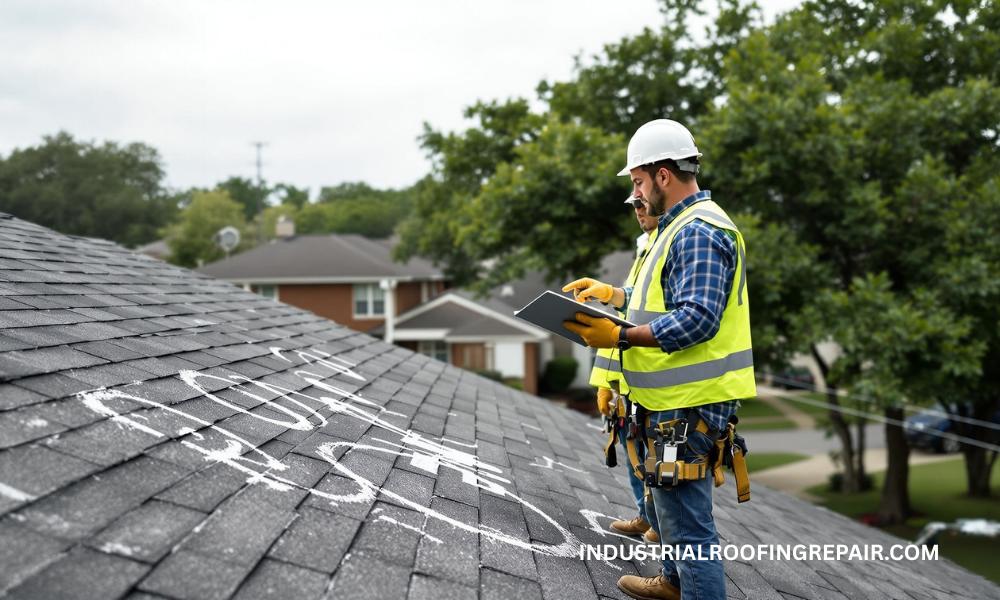
Report the damage quickly—most companies expect prompt notice (many recommend within 30 days). You’ll be assigned an adjuster who inspects and estimates damages. Be present for the inspection and, if possible, have your roofing contractor attend to discuss findings directly with the adjuster.
Step 3 — Work with a licensed local roofer
Choose a licensed, insured roofing contractor who understands Houston storms and insurance procedures. A reputable roofer will:
— perform a thorough inspection;
— provide a detailed, dated report and estimate; and
— Communicate with your adjuster if needed.
Avoid out-of-town “storm chasers” and contractors who pressure you into quick signings the moment a storm passes.
Step 4 — Review and negotiate the insurance estimate
Insurer estimates sometimes understate damage. If you disagree, present supporting evidence: contractor reports, drone footage, or infrared scans. You can appeal and request a reinspection or an appraisal if necessary.
Case example
After a 2023 hailstorm in Cypress, a homeowner got an initial low payout. They provided drone footage plus a roofer’s damage report, and the insurer raised the settlement by 40%.
Warranties vs. Insurance — what’s the difference?
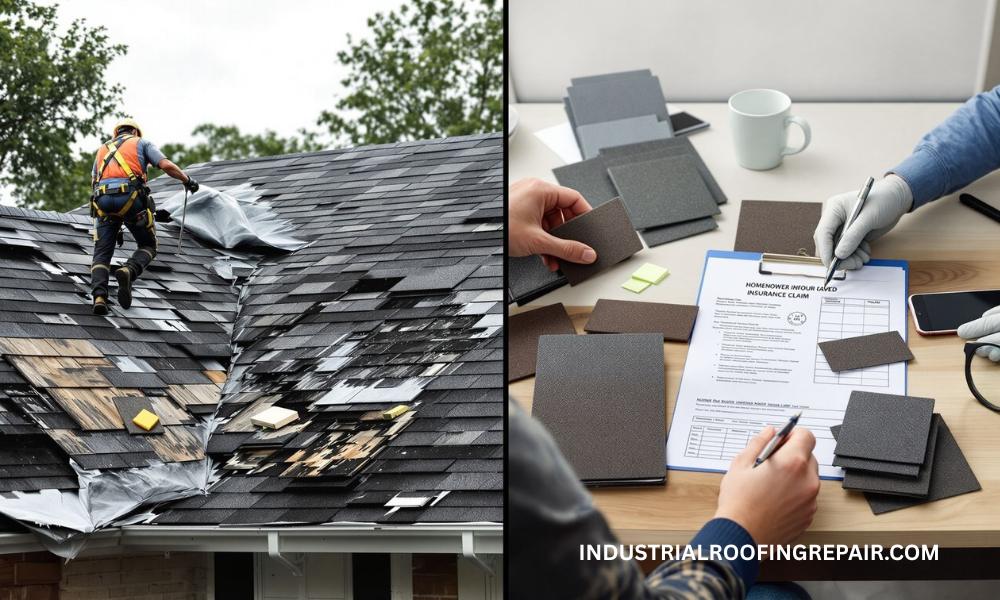
Put simply, insurance covers external, sudden events. Warranties cover materials or workmanship problems.
| Warranty Type | What It Covers | Who Issues It |
|---|---|---|
| Manufacturer Warranty | Defects in shingles, underlayment, or other materials | Product manufacturer (often 20–50 years) |
| Workmanship Warranty | Installation quality and labor-related issues | Your roofing contractor (commonly 1–10 years) |
Use insurance for storm-caused replacement. Use warranties when manufacturing defects or poor installation cause problems. Maintain records and follow maintenance requirements—failure to do so can void warranties.
Houston climate and warranty validity
Houston’s heat, humidity, and storm frequency accelerate wear. Warranties often require routine maintenance—annual inspections, cleaned gutters, and timely minor repairs—so keep a log of service visits and receipts to protect your warranty rights.
Common pitfalls that lead to denied or underpaid claims
Most denials or low payouts happen for simple, avoidable reasons:
— missing pre-storm documentation (insurers may claim damage was preexisting);
— hiring an unlicensed or unreliable contractor (which can invalidate workmanship warranties);
— accepting the insurer’s first offer without review; or
— failing to report damage promptly.
Take a little extra time up front. It can save thousands later.
How to choose the right Houston roofing contractor
Look for these red flags and green lights:
Green lights: Valid Texas license, insurance, local references, BBB rating, clear contract with warranties, experience handling insurance claims.
Red flags: Pressure to sign immediately, offers to waive deductibles, no physical local address, poor reviews, or lack of proof for licensing/insurance.
Frequently Asked Questions
Q1: What is a roof insurance claim?
Short answer: A formal request to your insurer to pay for roof repairs or replacement after covered damage.
How it works: You report the damage, an adjuster inspects, and the insurer issues an estimate. If covered, you get a payout according to your policy’s terms (ACV or RCV), minus your deductible.
Q2: How long does a roof insurance claim take in Houston?
Short answer: Typical claims resolve in 30–60 days, but timelines lengthen after major storms.
Factors that affect timing: Adjuster availability, need for supplemental inspections, contractor scheduling, and disputes or appeals.
Q3: Can I choose my own roofing contractor?
Short answer: Yes—insurers can recommend contractors, but you’re free to hire any licensed professional you trust.
Tip: Use a local, licensed roofer experienced with insurance claims to help document damage and communicate with adjusters.
Q4: Does homeowner’s insurance cover roof leaks?
Short answer: Sometimes—only if the leak was caused by a covered sudden event (like wind or hail), not by long-term neglect.
Proof matters: Photos, maintenance records, and a contractor’s inspection help demonstrate the cause and strengthen your claim.
Q5: Will filing a claim raise my insurance premium?
Short answer: It can, especially if you file multiple claims in a short period. Ask your agent how claims affect your rates and whether a single claim is worth it compared to out-of-pocket repair.
Practical next steps for Houston homeowners
1. Review your policy now—confirm ACV vs. RCV, deductibles, and any exclusions.
2. Photograph and document your roof’s current condition annually.
3. Schedule a professional inspection before hurricane season.
4. Keep digital records of estimates, invoices, and correspondence.
5. Verify any contractor’s license and ask about workmanship warranties.
Final word
Facing roof damage is stressful, but preparation and knowledge put you in control. Know your policy, document thoroughly, hire a reputable local roofer, and don’t accept the first offer without review. With those steps, you’ll maximize your chance of a fair settlement and maintain warranty protection for years to come.
Need expert help with your Houston roof insurance claim?
- Identify the leak source quickly with expert tools and inspection tips
- Learn how to assess damage and prevent mold growth effectively
- Step-by-step recovery: from drying out to full structural repairs
- Proven strategies to stop future leaks before they start
- Insurance claim tips to help you recover your costs
Contact a certified local roofing specialist today for a free inspection and claim consultation.