



Every Houston homeowner knows that hurricane season can bring heavy rains, strong winds, and unpredictable weather. And when it hits, your roof becomes your home’s first line of defense. From pounding rain to blistering summer heat, Houston’s climate can be downright punishing on roofing systems.
This guide gives you a complete Houston roof maintenance checklist to help you inspect, repair, and prep your roof before the next storm season. Whether you live in the Heights, Katy, or Sugar Land, these steps will help protect your home from leaks, water damage, and costly roof replacements.
Let’s look at why roof maintenance is so critical in Houston — and exactly what you can do before the next hurricane warning lights up your weather app.
Why Roof Maintenance Matters in Houston
Houston’s Weather Challenges
Houston’s weather is uniquely tough on roofs. The mix of tropical humidity, blazing heat, and intense storms creates a perfect recipe for roof wear and tear.
Frequent storms and hurricanes: Because of its proximity to the Gulf Coast, Houston faces heavy rain and high winds almost year-round. Hurricane season typically runs from June through November, when the risk of leaks and shingle damage spikes.
Extreme heat and UV exposure: Prolonged exposure to triple-digit temperatures and UV radiation can cause asphalt shingles to crack, curl, and lose their protective granules.
High humidity: Persistent moisture promotes algae and mold growth, weakening the underlayment and attic insulation over time.
Without regular upkeep, these factors can significantly shorten your roof’s lifespan.
The Cost of Neglect
Skipping roof maintenance might seem like a short-term savings — but it’s often a costly mistake later on.
Average repair vs. replacement: In Houston, minor roof repairs typically range between $400–$1,500, while full replacements can easily exceed $10,000–$15,000 depending on materials and home size.
Common issues: Homeowners frequently deal with preventable issues like shingle loss, roof leaks, and water damage that leads to mold and structural rot.
Long-term savings: Routine maintenance can extend a roof’s lifespan by several years — saving thousands of dollars in premature replacement costs. Plus, a healthy roof adds value and energy efficiency to your home.
The Complete Houston Roof Maintenance Checklist
Below is a seasonal checklist tailored to Houston’s unique weather patterns. Each step helps you spot small problems before they become major headaches.
1. Inspect After Every Major Storm
After a big storm or hurricane, take time to visually inspect your roof. Early detection can stop hidden leaks from becoming major water damage inside your home.
What to look for: missing or cracked shingles, lifted flashing, attic leaks, stained ceilings, clogged gutters, or soft spots on the roof deck. If you spot damage, contact a certified Texas Roofing Contractors Association member for a post-storm evaluation.
2. Clean Gutters and Roof Valleys Regularly

Your gutters and valleys are the roof’s drainage system. When clogged, rainwater can back up and seep under shingles — leading to leaks and rot.
Since Houston gets more than 50 inches of rain a year, this is one area you can’t ignore.
Best practice: clean gutters and downspouts twice yearly (before and after hurricane season). Clear out leaves and debris, use a stabilizer ladder, and consider hiring a professional for two-story homes. Installing gutter guards can make a huge difference during storm season.
3. Check for Signs of Water Damage
Water damage usually starts small — a faint stain, a musty attic odor — and grows quietly. Catching it early can save thousands.
How to check: look for brown ceiling stains, bubbling paint, damp attic insulation, or warped roof decking. If you suspect hidden moisture, request a moisture scan or infrared roof inspection from a local roofer.
4. Trim Nearby Trees and Branches
Overhanging branches can scrape shingles, block sunlight, and even puncture your roof during storms. Before hurricane season, trim branches at least 6–10 feet from your roof and remove dead or weak limbs.
Consider hiring an ISA-certified arborist for safe trimming, especially near power lines. Bonus: This also helps keep pests like squirrels and raccoons from using trees as “bridges” to your attic.
5. Inspect Flashing, Vents, and Seals
Houston’s heat and humidity can cause roof sealants to crack or loosen over time. Pay special attention to flashing around chimneys, vents, and skylights. Replace or reapply sealant as needed — ideally using products made for Gulf Coast conditions to prevent cracking or peeling.
6. Schedule Professional Roof Inspections
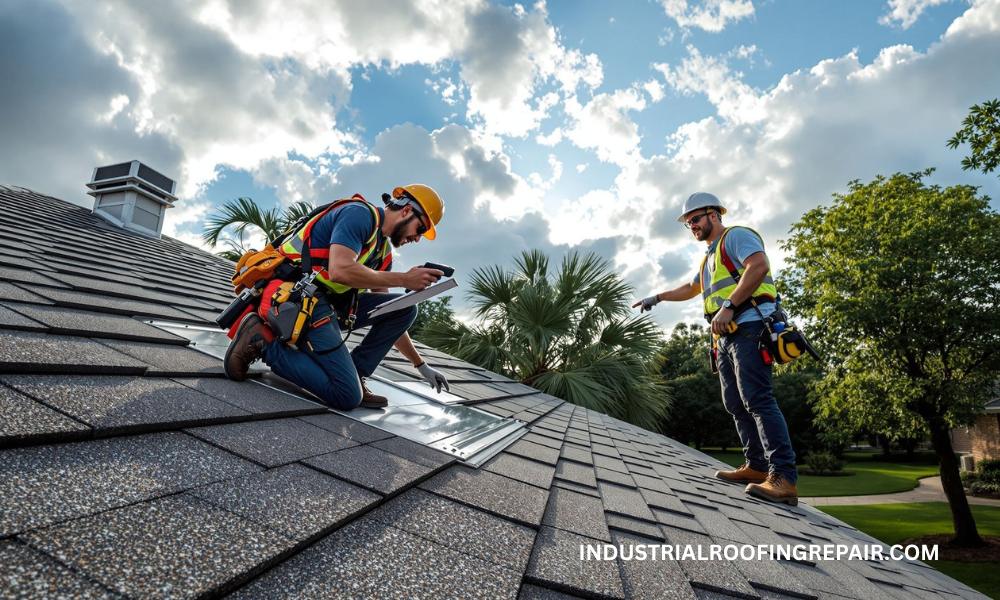
Even the most careful homeowner can miss early warning signs. That’s why an annual inspection is key — especially before hurricane season.
When to hire a roofer: once a year (preferably spring) and after any major storm or hail event. Reputable companies like CertainTeed and GAF-certified contractors offer 20-point inspections that include moisture detection, ventilation checks, and structural assessments.
Key Insights and Research
According to the National Oceanic and Atmospheric Administration (NOAA), Houston gets more than 50 inches of rain each year, making roofs particularly vulnerable to leaks and drainage issues.
The Insurance Institute for Business & Home Safety (IBHS) found that proactive roof maintenance can extend roof life by up to 25%. Meanwhile, routine gutter cleaning can reduce water intrusion by as much as 80%.
Expert Quotes
“Your roof is your home’s armor. In Houston, proactive maintenance can be the difference between minor repairs and total replacement.” — John Miller, Certified Houston Roofer
“Hurricane season prep should start with your roof — it’s the barrier that protects everything else.” — Texas StormWatch Organization
Real-World Example: A Houston Homeowner’s Preventive Approach
One Houston Heights homeowner followed this checklist — scheduling annual inspections and gutter cleanings twice a year. When Hurricane Beryl swept through with 90-mph winds, their roof only lost a few shingles. Because they had sealed weak spots months earlier, they avoided over $10,000 in potential repairs.
In other words, regular roof maintenance isn’t just smart — it’s financially protective.
Frequently Asked Questions (FAQs)
Q1: What is a Houston roof maintenance checklist?
It’s a seasonal guide that helps Houston homeowners inspect, clean, and repair their roofs to prepare for the city’s heavy rains and hurricane threats.
Q2: How often should I inspect my roof in Houston?
At least twice a year — once before hurricane season (spring) and once after (fall). Always add an extra inspection after severe storms.
Q3: Should I pressure wash my roof?
No. High-pressure washing can strip protective granules and damage shingles. Opt for soft washing or hire professionals who use low-pressure techniques.
Q4: How do I know if my roof needs replacement instead of repair?
If your roof is over 20 years old, has missing or curling shingles, or multiple active leaks, it’s time to consult a roofer about replacement options.
Q5: What roofing materials work best for Houston’s climate?
Choose materials that handle heat and storms well — like impact-resistant shingles, metal roofing, or clay and concrete tiles. Each offers strong wind resistance and excellent energy efficiency for Houston homes.
Conclusion
Regular roof maintenance in Houston isn’t just about appearance — it’s about protecting your home and your peace of mind during storm season. By following this checklist, you’ll minimize leaks, extend your roof’s lifespan, and save on costly repairs.
Next Steps
Before hurricane season begins:
• Schedule a professional roof inspection.
• Clean gutters and downspouts twice a year.
• Trim trees and branches near your roof.
• Inspect seals, flashing, and vents.
• Keep an emergency roof tarp handy for post-storm repairs.
With consistent upkeep, your Houston roof can stand strong through every season — rain or shine.
Protect Your Home Before the Next Storm Hits.
- Identify the leak source quickly with expert tools and inspection tips
- Learn how to assess damage and prevent mold growth effectively
- Step-by-step recovery: from drying out to full structural repairs
- Proven strategies to stop future leaks before they start
- Insurance claim tips to help you recover your costs
Schedule a Professional Roof Inspection Today With a Certified Houston Roofer to Ensure Your Roof Is Storm-Season Ready.