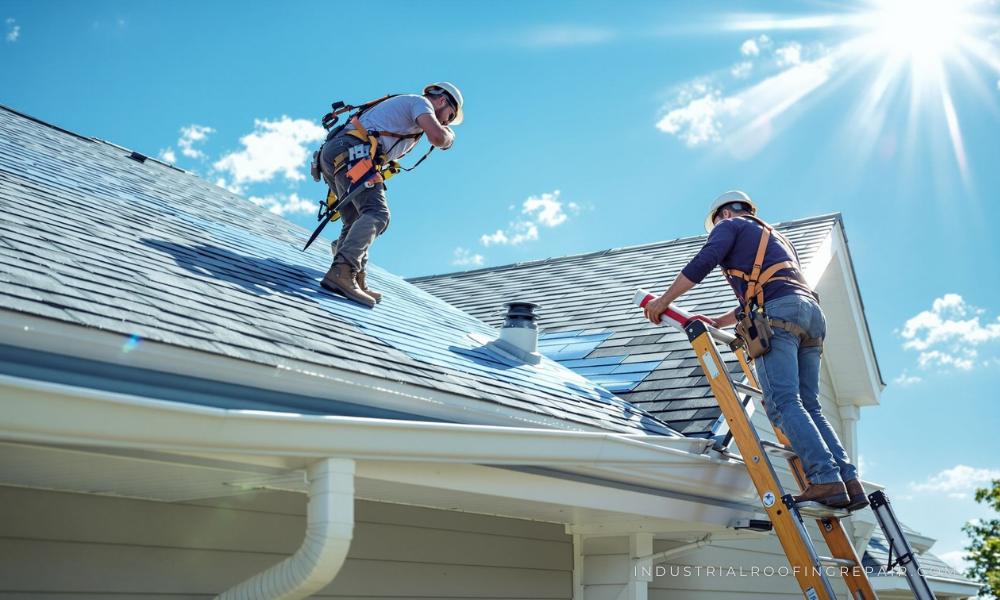

As a Houston property owner, I’ve often encountered the various issues that flat roofs can present. From drainage complications to membrane deterioration, it’s crucial to stay informed about these challenges. I’ve seen firsthand how neglecting minor problems can lead to significant expenses down the line.
Understanding what signs to look for and how to maintain your roof properly can make all the difference. Let’s explore the common causes of flat roof leaks and how to address them effectively.
Common Causes of Flat Roof Leaks
When it comes to flat roofs, I’ve seen that leaks often stem from a few common issues. One major culprit is punctures or tears in the membrane, usually caused by foot traffic or debris.
Another frequent issue is improper flashing around vents, chimneys, and walls; if it’s not sealed correctly, water can easily seep in.
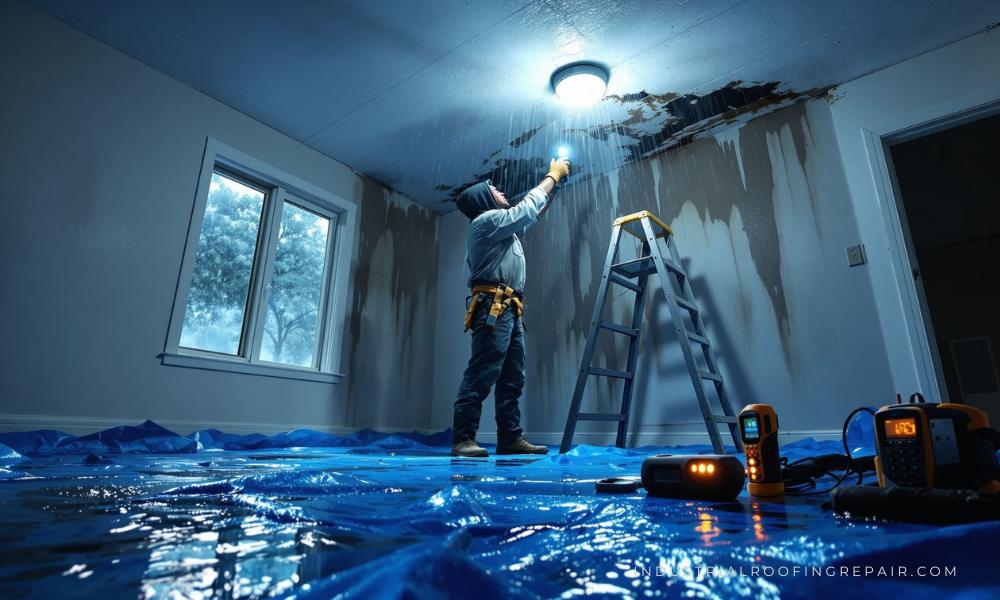
For effective leak detection, I recommend inspecting the roof regularly and using moisture meters to pinpoint hidden problems.
Once identified, repair techniques vary; patching small holes or replacing damaged sections can often suffice.
However, for persistent issues, professional assessment may be necessary.
Staying proactive with maintenance and repair can significantly prolong the life of your flat roof and prevent costly damage.
Drainage Issues and Their Impact
When I assess flat roofs, standing water often emerges as a critical concern.
This stagnant water not only increases the risk of leaks but also accelerates material degradation.
Additionally, I find that clogged drainage systems can exacerbate these issues, making it essential to maintain clear pathways for water runoff.
Standing Water Risks
Although flat roofs can offer aesthetic and functional advantages, they often present significant challenges, particularly regarding drainage.
One of the primary concerns I encounter is standing water on flat surfaces. When drainage systems fail or are inadequately designed, water can accumulate, leading to various risks, including structural damage and leaks. This standing water can compromise the integrity of the roofing materials, causing them to deteriorate more quickly.
Additionally, the weight of the water can stress the roof structure, potentially leading to sagging or even collapse in severe cases. Regular inspections and maintenance are crucial to identify drainage issues early, ensuring that water flows off the roof efficiently and minimizing the risks associated with standing water.
Clogged Drainage Solutions
Standing water isn’t just an aesthetic issue; it often signals underlying drainage problems that can escalate if not addressed promptly.
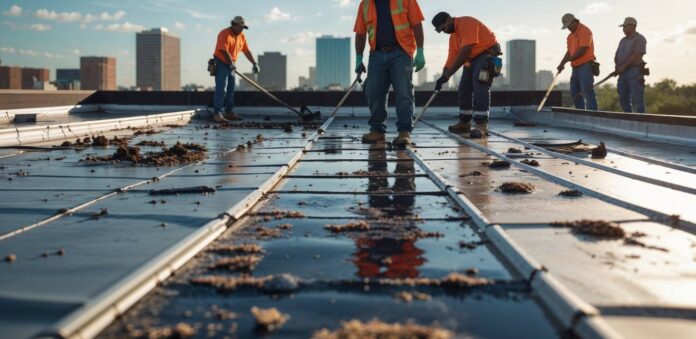
I’ve found that clogged drainage systems are a common culprit, often stemming from debris accumulation. Regular debris removal is essential to maintain the effectiveness of these systems. Without proper maintenance, you risk water pooling, which can lead to structural damage and costly repairs.
To tackle clogged drains, I recommend inspecting gutters and downspouts regularly, clearing any leaves or sediment.
Utilizing a wet/dry vacuum can help with stubborn blockages. If you’re facing persistent issues, consider hiring a professional to assess and clean your drainage systems.
Addressing these problems early can save you from significant headaches down the road.
Membrane Wear and Tear
Many Houston property owners encounter issues with membrane wear and tear on flat roofs over time. This wear can stem from various factors, including UV exposure, temperature fluctuations, and physical damage.
Different membrane types, such as TPO, EPDM, and PVC, each have unique vulnerabilities. For instance, TPO may become brittle, while EPDM can develop cracks.
When it comes to repair techniques, timely intervention is crucial. Small tears can often be patched using compatible adhesives, while larger areas may require a complete membrane replacement.
Regular inspections can help identify wear early, allowing for repairs that extend the roof’s lifespan. Understanding the specific membrane type on your roof is key to implementing the right repair strategies effectively.
Ponding Water Problems
When flat roofs aren’t properly sloped, I often see ponding water become a significant issue for property owners in Houston. This stagnant water can accumulate in low spots, leading to potential water damage over time.
I’ve noticed that even a small amount of standing water can create a breeding ground for mold and mildew, which poses health risks and can deteriorate building materials.
Additionally, prolonged exposure to ponding water can weaken the roofing membrane, causing leaks and costly repairs.
It’s crucial to regularly inspect your roof and address drainage issues promptly. If you notice persistent ponding water, consider consulting a roofing professional to explore solutions that can help protect your property from serious water damage.
Insulation Challenges
As a property owner, I often encounter common insulation issues with flat roofs, such as inadequate R-values and moisture infiltration.
These problems can lead to energy inefficiency and increased utility costs.
Finding proper insulation solutions is crucial to maintaining a comfortable indoor environment and ensuring the longevity of the roof structure.
Common Insulation Issues
Although flat roofs can offer aesthetic benefits and functional space, they often present significant insulation challenges for property owners in Houston.
One common issue I encounter is the use of inadequate insulation materials that fail to provide sufficient thermal resistance. Many property owners underestimate the importance of selecting the right insulation type, which can lead to heat loss during hot summers and increased energy costs.
Additionally, improper installation of insulation can create air leaks, further compromising thermal efficiency. Moisture accumulation is another concern, potentially leading to mold growth and structural damage.
It’s crucial to regularly inspect insulation integrity and address any issues promptly to maintain optimal energy efficiency and comfort in your property.
Proper Insulation Solutions
Addressing insulation challenges is vital for maximizing the performance of flat roofs in Houston’s climate.
I’ve found that selecting the right insulation materials can significantly enhance energy efficiency. Rigid foam board insulation, for example, provides excellent thermal resistance and moisture control, which is crucial in our humid environment.
Spray foam insulation also offers superior air sealing capabilities, reducing energy loss. It’s essential to evaluate insulation thickness and R-value to ensure optimal performance.
Furthermore, I recommend considering reflective insulation options, which help combat heat absorption, thus lowering cooling costs during hot months.
Structural Concerns and Repairs
Flat roofs can present several structural concerns that Houston property owners should be aware of. The primary issue is maintaining the structural integrity of the roof, especially under heavy rainfall or snow loads.
Over time, flat roofs can sag, leading to water pooling and potential leaks. It’s crucial to regularly inspect for signs of wear, such as cracking or bubbling.
If you notice these problems, employing proper repair techniques is essential. This might include reinforcing the deck, applying a new membrane, or sealing joints to prevent moisture ingress.
Addressing these issues promptly not only preserves the roof’s lifespan but also protects the overall structure of your property. Ignoring them can lead to costly repairs down the line.
Maintenance Tips for Longevity
To ensure your flat roof lasts as long as possible, regular maintenance is key. I recommend implementing preventive measures like cleaning debris from gutters and drains to avoid water buildup, which can lead to leaks.
Additionally, schedule routine inspections at least twice a year, checking for cracks, blisters, or punctures in the membrane. If you spot any damage, address it immediately to prevent further issues.
Don’t forget to check the flashing around vents and chimneys, as this area often requires extra attention.
By keeping a close eye on your roof’s condition and performing necessary maintenance, you can significantly extend its lifespan and protect your investment.
Frequently Asked Questions
How Can I Tell if My Flat Roof Needs Replacement?
I check for leaks and surface wear regularly. If I notice significant damage, persistent leaks, or pooling water, I know it’s time to consider a replacement. Staying proactive helps prevent costly repairs down the line.
What Are the Best Materials for Flat Roofs in Houston?
In my experience, the best materials for flat roofs in Houston combine durability factors like TPO or PVC, and ensure optimal insulation. These options withstand our climate while providing energy efficiency and long-lasting protection.
How Often Should I Inspect My Flat Roof?
I recommend inspecting my flat roof at least twice a year for optimal flat roof maintenance. Regular inspection frequency helps catch potential issues early, ensuring the roof remains in good condition and prevents costly repairs.
Do Flat Roofs Require Special Insurance Coverage?
I’ve found that flat roofs often require specific flat roof insurance due to unique risks. It’s crucial to explore various coverage options, ensuring your policy adequately protects against potential leaks and structural issues common with flat roofs.
Can I Install Solar Panels on a Flat Roof?
I’ve found that installing solar panels on a flat roof can maximize energy efficiency, but I consider drainage and structural integrity first. The solar panel benefits often outweigh the flat roof considerations when done correctly.
Conclusion
In conclusion, addressing flat roof problems early is essential for Houston property owners. By understanding common issues like drainage complications, membrane wear, and insulation challenges, you can take proactive steps to maintain your roof’s integrity.
Regular inspections and proper maintenance can prevent costly repairs and extend the lifespan of your roof. Don’t overlook the importance of clearing debris and assessing for signs of damage. Investing time and effort now can save you significant expenses down the road.