
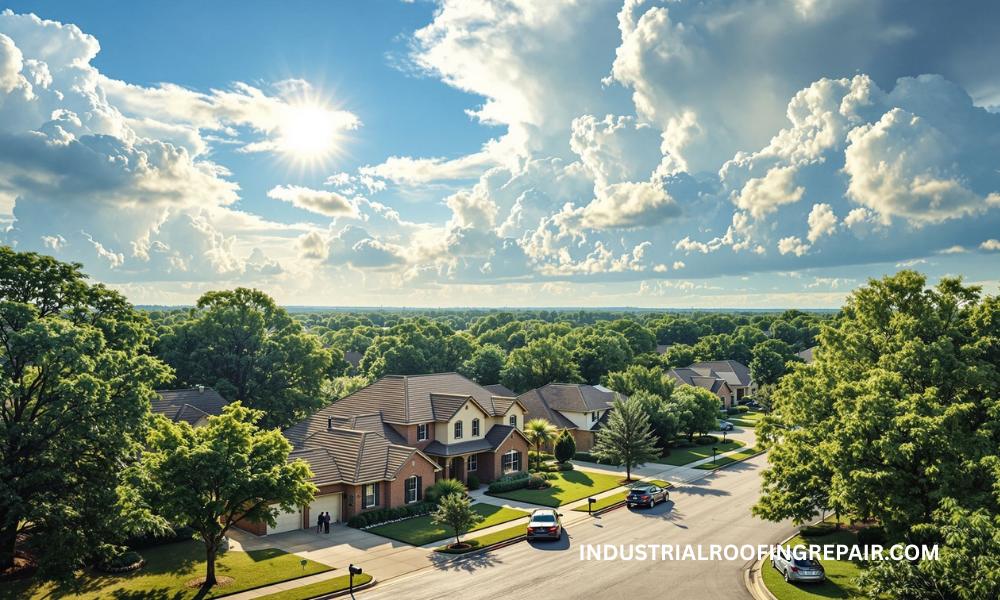
In Houston, your roof works harder than almost anywhere else in the country. Between relentless sunshine, heavy humidity, and unpredictable tropical storms, it faces a constant battle against the elements. Over time, even the strongest materials start to show fatigue — and that’s when homeowners hit the big question: Should you repair, reroof, or replace?
Understanding Roof Lifespan in Houston’s Climate
Let’s be real: Houston’s heat is no joke. What lasts 25 years up north might only make it 15 here. The mix of blazing UV rays, high humidity, and storm cycles shortens the lifespan of most roofing materials by about 20–30% compared to national averages.
Common Roof Materials and Their Durability
| Material Type | Expected Lifespan (Houston) | National Average | Notes |
|---|---|---|---|
| Asphalt Shingles | 12–20 years | 15–25 years | Affordable and common, but prone to heat cracking and algae growth |
| Metal Roofing | 35–60 years | 40–70 years | Reflects heat well and boosts energy efficiency |
| Tile or Slate | 40–50+ years | 50+ years | Extremely durable but heavy; may require reinforced framing |
How Houston’s Weather Impacts Roof Longevity
Every season in Houston brings new challenges:
Sun and Heat Degradation: Constant UV exposure dries out asphalt shingles, causing cracking, curling, and fading.
Wind and Hail Damage: Tropical systems can tear off shingles or puncture roofs in seconds.
Humidity and Algae Growth: Persistent moisture leads to black streaks and algae that weaken your roof over time.
Key Insight: Most Houston roofs last 20–30% less time than in cooler or drier climates — a big reason to schedule regular inspections and proactive maintenance.
Signs You Need Roof Repair
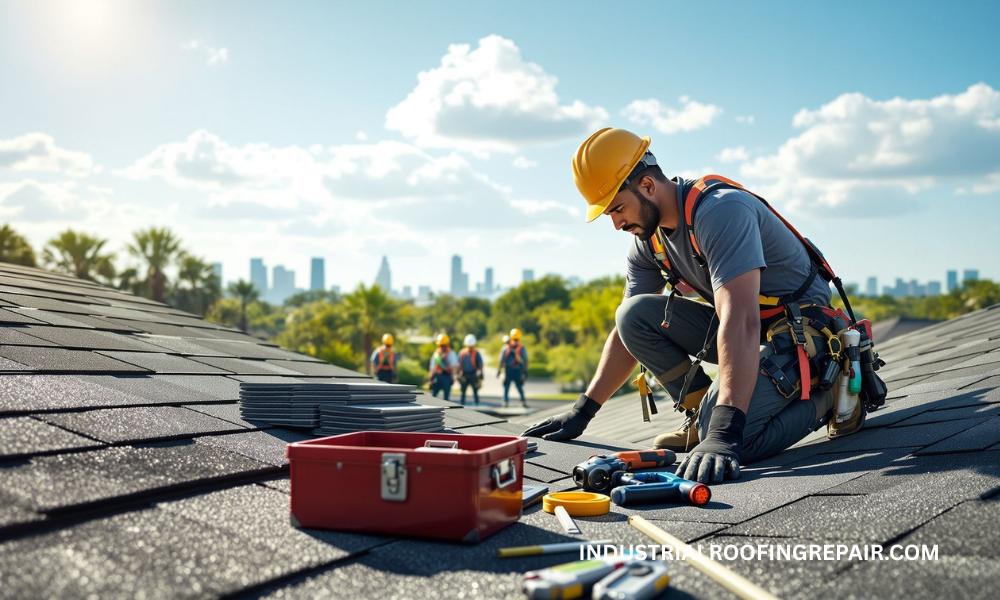
Not every roofing issue means it’s time for a full replacement. Many problems can be addressed quickly and affordably if caught early. Here’s what to look for:
Common Signs You Need a Roof Repair:
- Leaks or water stains on ceilings or walls
- Missing, cracked, or curling shingles
- Minor flashing or sealant deterioration
- Isolated damage from hail or falling branches
If these issues are limited to one section, a targeted repair could easily extend your roof’s lifespan by several years.
When Repair Is the Smarter Choice
Repairs often make sense when the roof is under 15 years old, the damage is localized, and there’s no structural compromise underneath.
Expert Insight: “If less than 25% of your roof is damaged, repair is usually the most cost-effective solution.” — John Rivera, Certified Roofing Specialist, Houston Roof Pros
Signs You Need Roof Replacement
Sometimes, patching up isn’t enough. If your roof is showing widespread wear or causing repeated issues, replacement might be the more practical — and ultimately more affordable — move.
Red Flags for Roof Replacement:
- Roof age exceeds 20 years
- Multiple leaks or mold in the attic
- Sagging or uneven rooflines
- Rising energy bills from poor insulation
When Replacement Makes Sense: Choose replacement if damage is extensive, repairs have become frequent, or insurance coverage makes a full upgrade more cost-efficient.
Statistic: According to HomeAdvisor (2025), 78% of Houston homeowners who replaced their roofs after severe storm damage reported long-term savings through lower maintenance costs and improved energy performance.
Roof Repair vs Replacement Cost Comparison in Houston
Here’s what you can expect to spend in 2025, depending on the scope of work:
| Service Type | Average Cost (2025) | Includes |
|---|---|---|
| Minor Roof Repair | $400–$1,200 | Small patches or single shingle replacement |
| Major Roof Repair | $1,500–$4,000 | Structural fixes, flashing, or sealant repair |
| Full Roof Replacement | $7,000–$15,000+ | Labor, materials, tear-off, permits |
Factors That Affect Cost: Roof size and pitch, material type, labor rates, permit fees, and whether storm damage qualifies for insurance coverage.
Roof Insurance and Storm Damage Claims in Houston
From June through November, Houston homeowners face hail, hurricanes, and flash flooding. Understanding your insurance rights can make or break your claim outcome.
Key Steps for Filing a Roof Claim:
- Schedule a professional inspection before you contact your insurer.
- Document all damage with photos and a written report.
- File your claim quickly — most policies have short reporting windows.
- Work with a certified roofing contractor familiar with Houston’s claim process.
Pro Tip: Always get a certified inspection report first. Many claims are denied simply because the damage wasn’t properly documented.
Case Study: Houston Homeowner’s Roof Decision
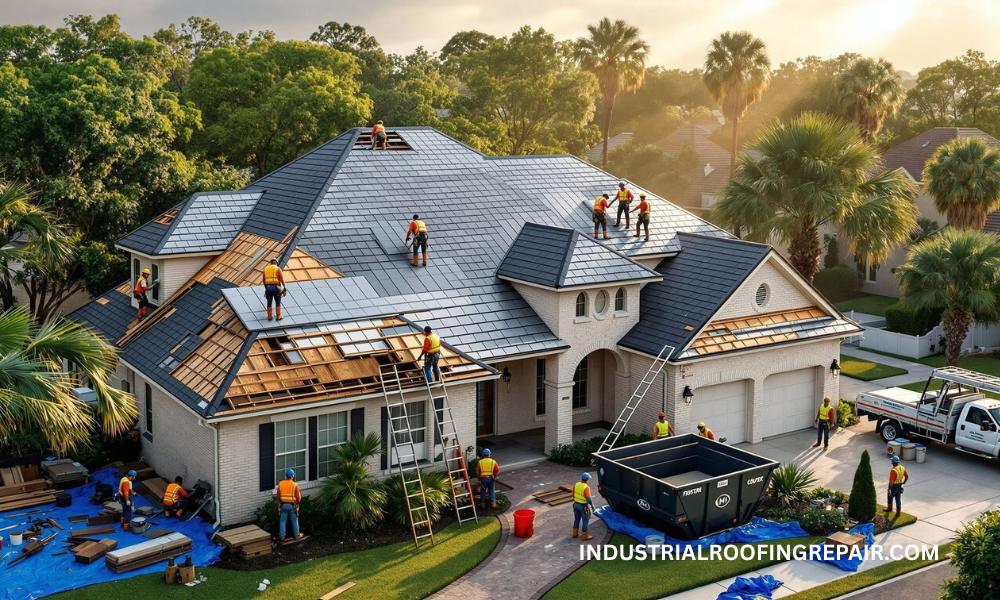
Case Example: After a spring hailstorm, a West Houston homeowner discovered significant roof damage. Their 14-year-old asphalt roof could’ve been patched, but insurance approved a full replacement. They upgraded to a metal roof, improving energy efficiency by 22% and cutting cooling costs noticeably. The investment paid for itself in comfort and savings.
In short, a smart replacement — especially when insurance covers part of it — can save money in the long run while protecting your home from future storms.
Choosing the Right Houston Roofing Contractor
Finding the right roofer matters just as much as choosing the right material. Here’s how to pick a professional who truly understands Houston’s unique climate:
- Verify Licensing and Insurance: Always confirm active Texas licensing and liability coverage.
- Check Reviews: Look for solid ratings on the Better Business Bureau (BBB) and Google.
- Request Written Estimates: Get at least three detailed quotes before signing anything.
- Ask About Warranties: Ensure materials and workmanship are covered for at least 10 years.
“Local experience matters — Houston roofs face conditions that out-of-town contractors might overlook.”
— Maria Gonzales, Owner, Lone Star Roofing & Restoration
FAQs — Roof Repair vs Replacement in Houston
Q1: What’s the difference between roof repair and replacement?
Roof repair fixes specific damaged areas, while replacement removes and installs an entirely new roof system.
Q2: How do I know if my roof can be repaired instead of replaced?
If less than 25% of your roof is affected and the structure is sound, a repair is usually the right move.
Q3: How often should I have my Houston roof inspected?
At least once a year — and definitely after major storms or hurricanes.
Q4: Does a new roof increase home value?
Yes. According to the 2024 Cost vs. Value Report from Remodeling Magazine, homeowners can recoup up to 60% of their investment through higher resale value.
Q5: What’s the best roofing material for Houston homes?
Metal and cool roof shingles perform best here — they reflect heat, handle storms, and last longer in humid climates.
Conclusion
When deciding between roof repair and replacement in Houston, focus on three things: your roof’s age, the extent of damage, and the climate’s impact. Staying proactive with inspections and timely maintenance can save thousands over the life of your roof.
If you’re unsure, bring in a certified local roofer for an honest, data-backed inspection. Houston’s weather is tough — but with the right plan and materials, your roof can be tougher.
Next Steps for Houston Homeowners
✅ Schedule a professional roof inspection — especially after big storms.
✅ Compare at least three detailed repair or replacement quotes.
✅ Review your insurance coverage before paying out of pocket.
✅ Choose energy-efficient materials for long-term savings.
✅ Maintain your roof annually to prevent surprise expenses.
Your roof protects everything under it. Treat it with care, and it’ll return the favor — even through Houston’s wildest weather.
Schedule a Free Roof Inspection Today!
- Identify the leak source quickly with expert tools and inspection tips
- Learn how to assess damage and prevent mold growth effectively
- Step-by-step recovery: from drying out to full structural repairs
- Proven strategies to stop future leaks before they start
- Insurance claim tips to help you recover your costs
Get expert advice from trusted Houston roofing professionals and find out whether your roof needs a simple repair or a full replacement.